Tuesday, 3 May 2022

Off-page Seo: What Is It & How Can You Take Advantage of It

Off-page Seo: What Is It & How Can You Take Advantage of It

As smart bloggers and content marketers, we usually start with on-page SEO.

However, one of the most important Google ranking factors isn’t found on your page at all. Rather, it’s backlinks from other websites pointing towards your site. The top results on Google have an average of 3.8x more backlinks than the results that appear in positions 2-10.

Off-page search engine optimization is not just about building backlinks though.

It goes deeper than that. For example, brand mentions (your site URL or brand name mentioned on another site without a hyperlink) are an integral aspect of off-page search signals.

Off-page SEO simply tells Google what others think about your site. For example, if you’ve got a lot of valuable links pointing to your pages, search engines will assume that you’ve got great content that provides value for users.

People only cite, reference, and share content they like. Even in a brick-and-mortar business, if your product is helpful and affordable, you’ll get a lot of word-of-mouth referrals from your current customers.

If you’re ready, I’m going to walk you through everything you need to know about off-page search optimization.

What is Off-Page SEO?

“Off-Page SEO” refers to all of the activities that you and others do away from your website to raise the ranking of a page with search engines.

Though many people associate off-page SEO with link building, it goes beyond that. Many activities that don’t result in a standard link on other sites are important for off-page optimization.

On-page search engine optimization happens within the site, while off-page SEO happens outside the site. If you write a guest post for another blog or leave a comment, you’re doing off-page site promotion.
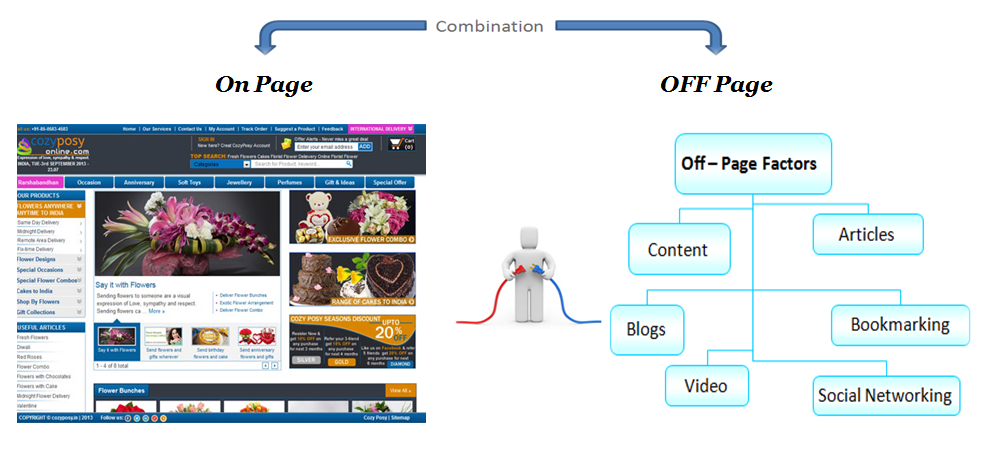
off-page seo ranking factors

Preparing a Site/Page for Link Building

Links are still very important to Google. In fact, it’s almost impossible for Google to determine the value of any web page if there are no links pointing to it, no matter how useful, fresh, or in-depth the page content might be.

Site owners are often tempted to skip initial preparations for link building. But it’s important that you give this top priority because preparing a site will ensure that you’re mindful of the links you sent to them.

So how do you ensure that your web pages are ready for link building?

1. Lay Out Your Internal Pages

Optimized internal pages can make a huge difference in your overall rankings. This includes interlinking your pages using random keywords (with more emphasis on your brand name).

According to Brian Dean’s famous post “Google’s 200 Ranking Factors,” the number of internal links to a page indicates its importance relative to other pages on the site.

Be careful when you do this, however. In a recent study, Semrush found 42.5 percent of websites have broken internal links.

To optimize internal linking, you should have silo pages that connect to your category pages and supporting pages (posts). That way, when you send a link to the homepage, the juice flows through your category and supporting pages, thus boosting your search performance.
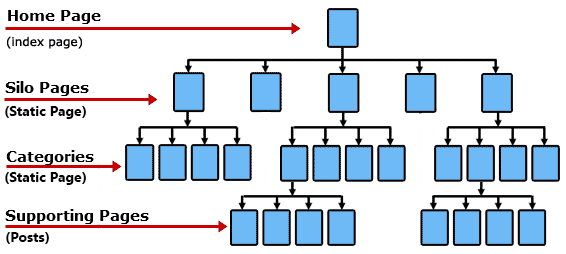
off-page SEO - silo pages and internal links

Smart search engine optimization professionals don’t just throw links at a page. Instead, they lay out the pages so that each link will pass SEO juice to other interconnected pages.

None of your internal pages should stand alone. Make each page an integral part of your site and include seamless navigation. This is essential to your site users and your appeal to search engines.

Ideally, pages addressing the same or related topics should be linked together in order to provide a rich experience for the users.
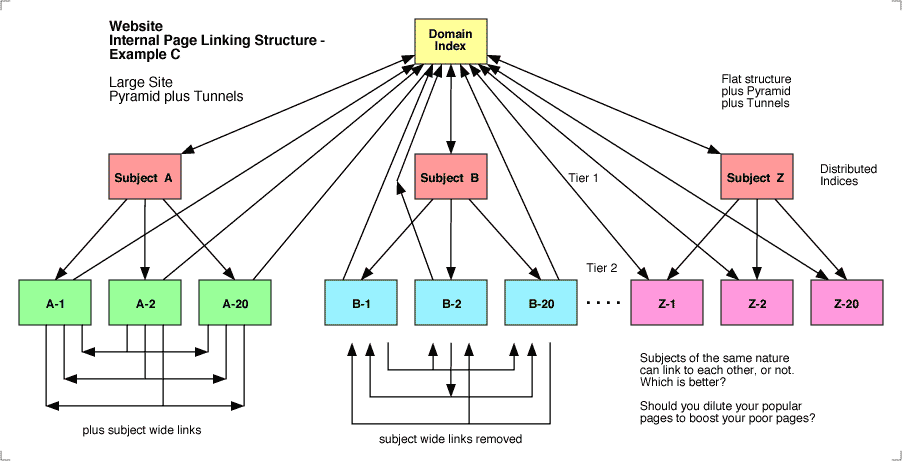
off-page seo: page experience

In search engine optimization, internal pages are often overlooked. Most SEOs and site owners don’t realize that much of a site’s “SEO value” flows from how the internal pages are structured.

This is usually made possible when you have links from high-value pages on the same site. Silo your pages properly if you want healthy link equity between your internal pages.

Remember that it’s no longer only about the number of links you have. The quality of links to your internal pages is as important as the structure of the pages themselves.

In fact, sometimes reducing the number of links pointing to your internal pages could help your SEO efforts.

For example, CMS North America, a manufacturer of 5 axis CNC machines, had an established website with 170 indexed pages. Yet, the site wasn’t generating substantial search traffic.
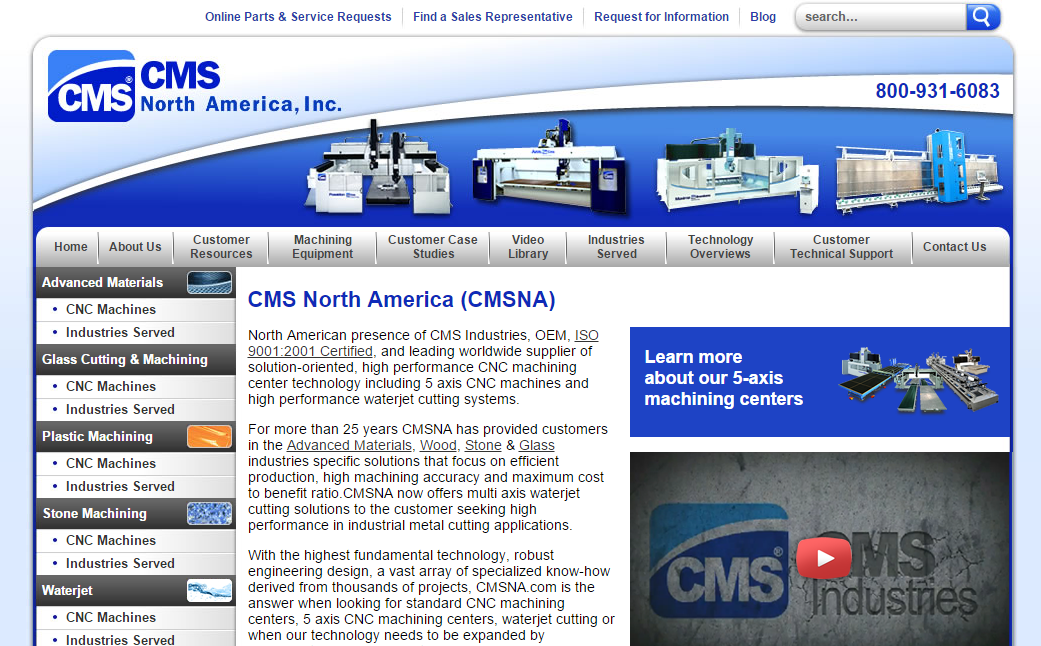
image35

By auditing their site using the Internal Link Juice Tool, they discovered that the site had 168 links pointing to the homepage.

This was more than best practices called for, which is especially a problem when the SEO juice from those links doesn’t flow to internal pages.

They initiated a new navigation structure and removed some of the links pointing to silo pages, while retaining the links that supported usability (such as “contact us” and support pages). In all, 70 links were removed.

After 6 weeks of re-structuring the internal pages’ links and the homepage, most of the fresh pages and links had been re-crawled by Google’s spider.

The company saw improved rankings for 18 of the 21 keyword phrases the site was targeting. Keywords that were already ranking on page 2 improved an average of 3.7 ranking slots.

2. Do Basic On-page SEO First

On-page search engine optimization is important. After all, you don’t want Google to view your site as a neglected portal.

I’m sure you’ve heard enough about meta tags and keyword density. Yet, there are other important on-page SEO factors that matter and that are often overlooked. This on-page SEO infographic from Backlinko lays many of them out for you:
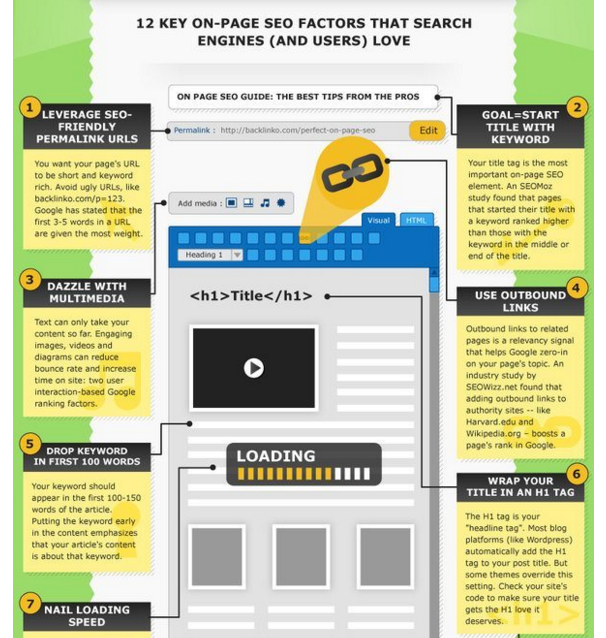
image15

One of the reasons many authority sites no longer dominate the top organic listings is because they’ve neglected basic on-page SEO.

You want to link to your internal pages using the keyword that best defines that page.

When you create a landing page that you would like Google to rank highly, you should pass more SEO juice to that page from your important pages.

If the search engine giant is seeing a lot of pages on your site for a particular search term and is unsure of which one to rank higher than the others, you’ll struggle to increase your search engine rank no matter how much value you provide.

And that’s what the basic on-page search engine optimization process is all about. There’s no magic secret formula. Just ensure that your pages are well structured, your keywords specified, and signals are being sent to Google in the right manner. This will work towards improving your search engine ranking.

Here’s an example: Daily Mail Online, a popular online magazine that ranks highly for several keywords, failed to dominate the top listings during the 2014 World Cup. Other brands took their spots:
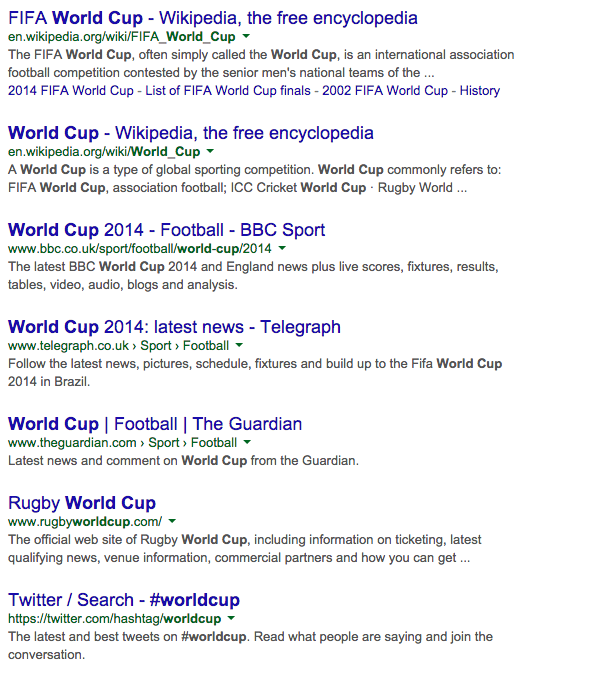
image12

The online magazine missed out on this opportunity to attract thousands, if not millions of search users, given the sheer interest in the tournament (with a spike peak around June 18).
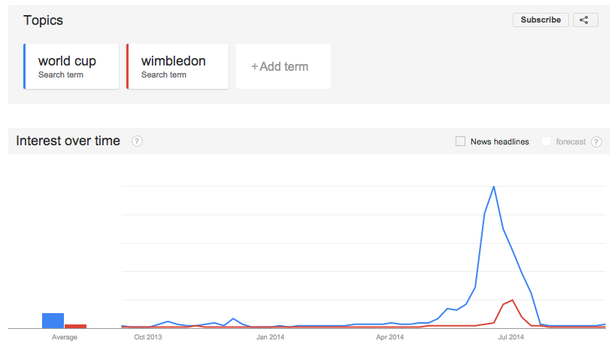
image10

With several brands dominating Google’s first page rankings, Daily Mail Online missed out on the term “World Cup.” Each new article published about the World Cup overlapped with Daily Mail’s landing page, which they desperately wanted to rank better than other pages (shown in pink).
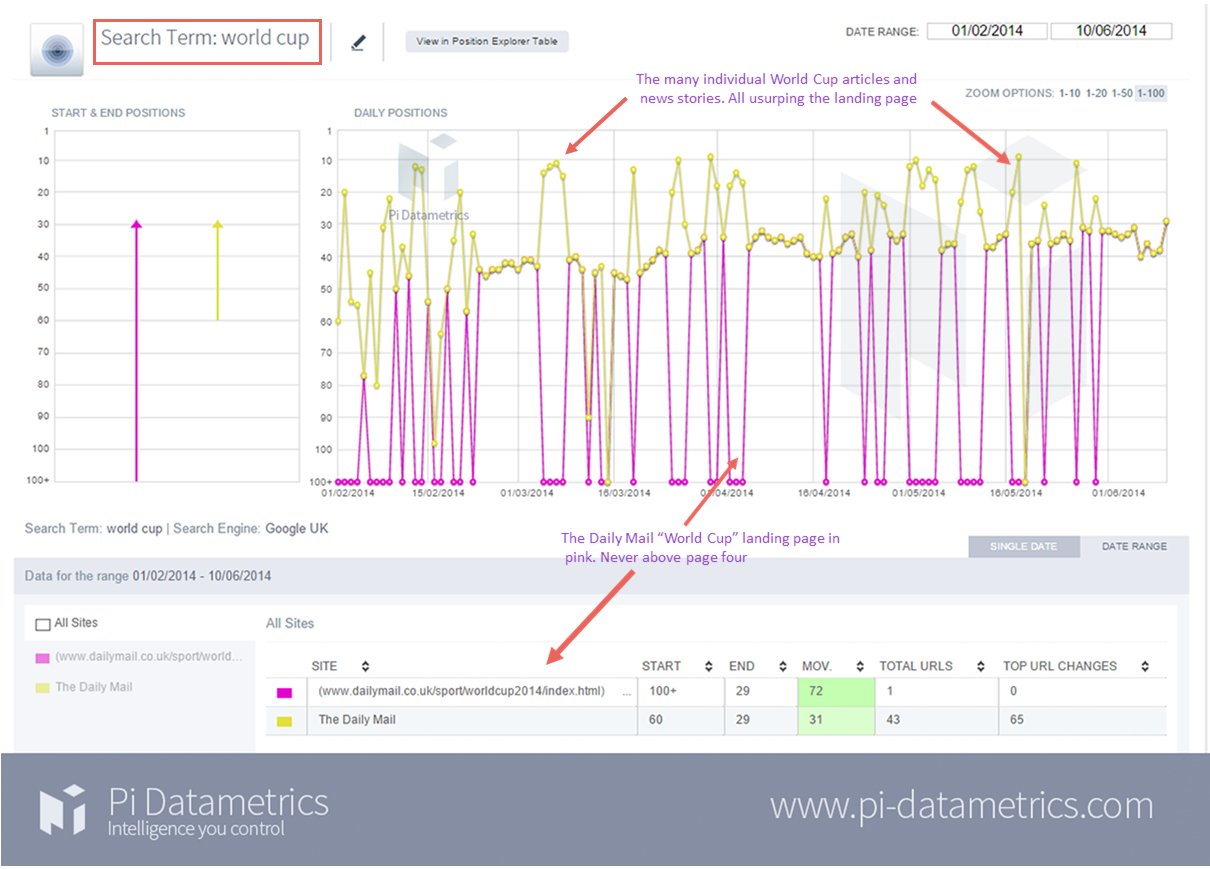
image09

What’s happening here is the search engine giant is seeing lots of pages from Daily Mail Online for this search term, and is unsure of which one should be ranked highest.

This has a lot to do with internal page linking—or the lack thereof.

To capitalize on the trending search term at the time, Mail Online could have linked back to the hub page from every internal page (especially those related to ‘Word Cup’).

This would have been a strong signal to Google that this page was significant and perhaps useful to users.

Sadly, Daily Mail had lots of opportunities to link back to the hub from relevant blog posts and pages, but they didn’t do so.

3. Pick Thematic Keywords, Even for Off-page SEO

Although links are still the icing on the cake, the upshot to SEO that controls every other factor is the keywords you choose.

Keywords are the fundamental building blocks for your content campaign. In the diagram below, the more accurate view of on-page SEO shows that use of related keywords and primary keywords account for 7.5% and 40% of on-page SEO, respectively.
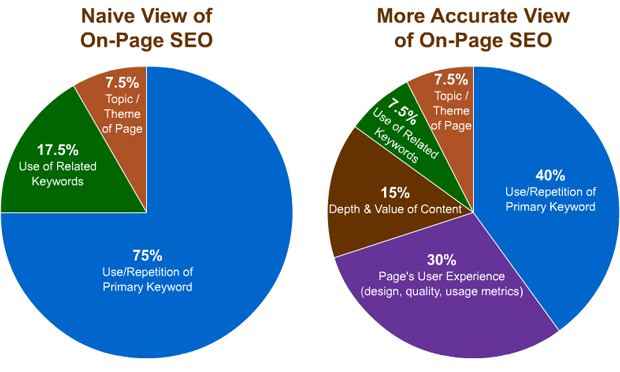
off page seo - keywords

But not all keywords are created equal. If you want to improve the odds of driving organic traffic to your site, then you need to pick thematic keywords.

The word “thematic” simply means having or relating to a particular subject.

So when you’re picking keywords, focus on those that are related to a particular subject. You can’t afford to spread your net too wide. Here’s an example:

Let’s assume that your business delivers WordPress theme customization services. It’s important to find the right related keywords that you can create content around.

Simply plug your main keyword (WordPress theme customization) into the Ubersuggest search bar. Click the “Search” button. Simply plug your main keyword (WordPress theme customization) into the Ubersuggest search bar. Click the “Search” button. Here are thematic keyword phrases that populate in the results:
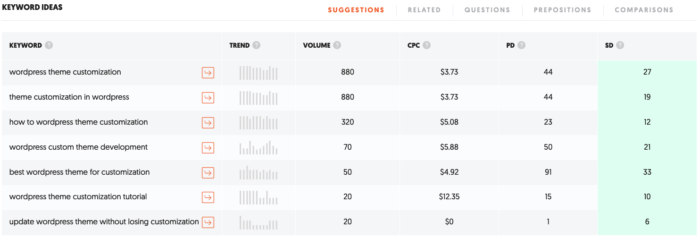
using ubersuggest for off-page seo keyword selections

Remember that you’re in business to help others. By knowing the words, phrases, and search terms they use in search, you can more easily tailor your content to meet their needs.

You can supercharge the power of your keywords by switching toward branded keywords. In other words, instead of targeting “SEO tips,” you could niche down and include your brand or domain name (e.g., Moz SEO tips, Neil Patel SEO).

Domain or brand-oriented keywords usually bring up several results from the same site in Google search results.
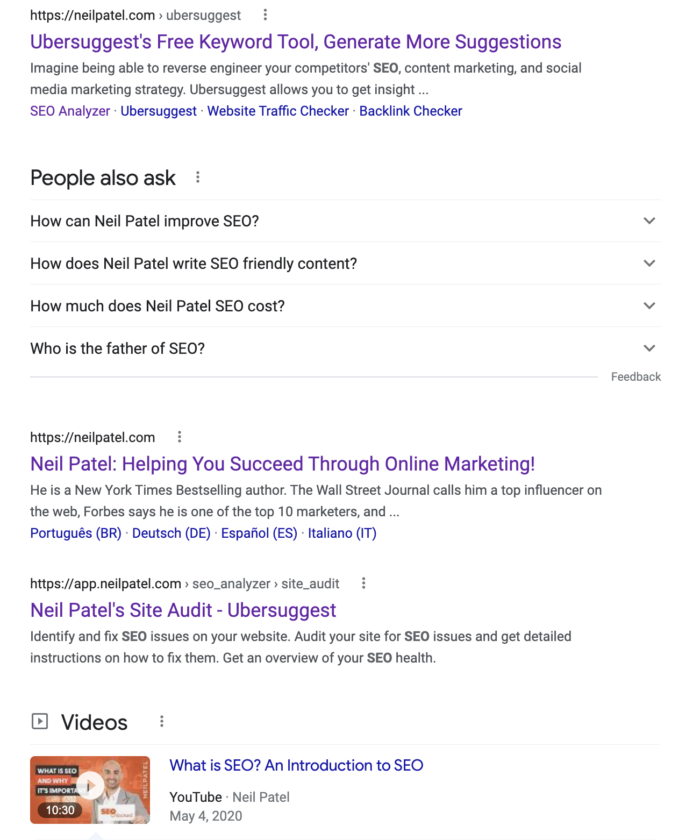
branded search for off page seo

Of course, you have to create useful, high-quality content. When you see several of your pages ranking in Google search results, it doesn’t matter what positions those pages hold – you can pass more link juice to them through any of the link building strategies below:
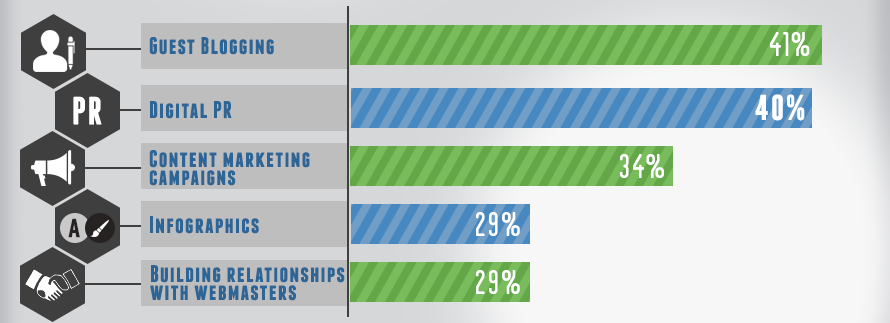
off page seo link building strategies

Branded thematic keywords will give you an edge over the competition and serves as a leading SEO technique. No matter how many top brands are dominating the top 10 organic listings, you can find yourself driving motivated visitors to your site.

When you’re targeting keywords in on-page optimization, don’t just keep reiterating those primary keywords over and over.

Instead, use synonyms or latent semantic indexing (LSI) terms. LSI keywords have one purpose – to help search engine spiders extract meaning from normal keywords (especially those with more than one meaning). For example, Apple, the computer company vs. apple, the fruit.

Ideally, if you were writing content on a subject related to Apple, the company, Google expects you to mention relevant words and terms that are common to the organization.
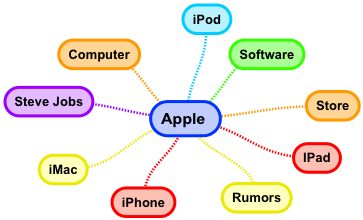
LSI keywords for off page seo

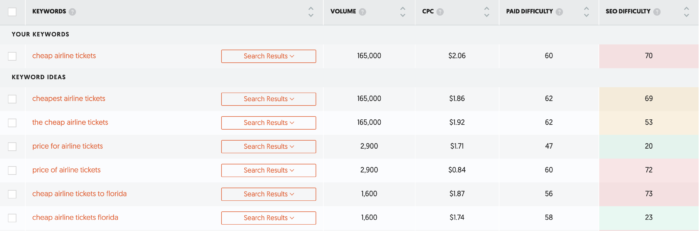
Stay away from mentioning your primary keyword (e.g., cheap airline tickets) over and over in your content. Google will view that as over-optimization and may well penalize you.

You might be wondering how you can find these synonymous words. The good news is that there are several tools that you can use to research LSI search terms. Simply follow these steps:

Step #1: Go to Ubersuggest and input your primary keyword (e.g., cheap airline tickets). Click the “Search” button.

Step #2: Click “Keyword Ideas” in the left sidebar.
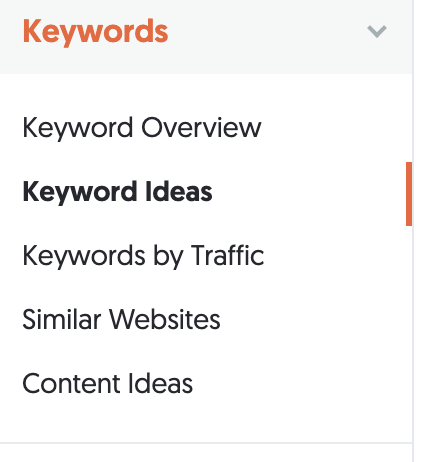
using ubersuggest for off page seo LSI keywords

Step #3: Review the Keyword Ideas

off page seo lsi keywords - ubersuggest keyword suggestions

Step #4: Choose Keywords

Choose keyword phrases with high search volume, a low SEO difficulty score, and high CPC.

The final step is getting a better idea of what you need to do to outrank your page one competitors.

In summary:

On-page keyword optimization all boils down to researching, choosing, and integrating keywords that you can easily rank for. You don’t want to compete with top brands with higher and stronger domain authority.

That’s why you should also focus on long-tail keywords. You already know how to find and use them to improve your search rankings.

How to Get Relevant, Authority, and User-Friendly Backlinks

In January of 2022, Google processed 12.1 million search queries. Think of all the potential traffic your website could receive if you could capture just a tiny fraction of those searches. How?

As SEOs, content marketers, and bloggers know, backlinks are currently the most important off-page SEO factor.

That’s because natural links from authoritative and relevant websites act as an independent “vote of confidence,” which helps search engines trust your website more.
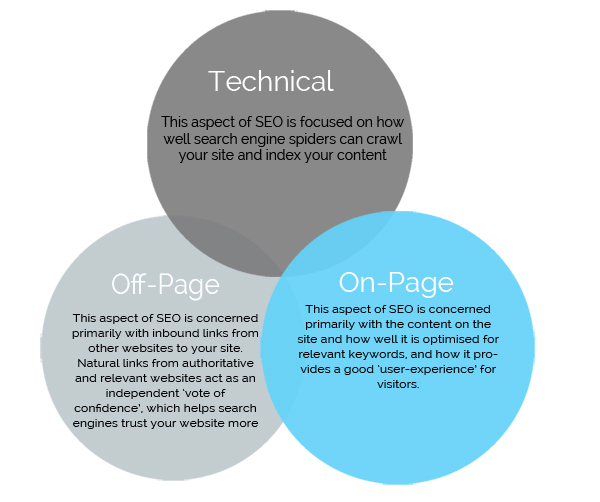
off page seo, on page seo, and technical seo relationship

When Google’s search spider crawls your site, looking for fresh content (sometimes depending on your sitemap settings), it indexes your new pages and prepares them for search users.

After your pages are added into its vast index to be returned in search results when relevant search queries are triggered, Google uses several algorithm factors to determine where those pages will rank.

In the SEO world, we refer to these as Google’s ranking factors. They’re the determining factors for organic web page rankings. Fortunately, you don’t have to memorize all of the ranking factors. This is great news since there are literally hundreds of them.

But the most important factor as far as SEO is concerned is links. Well, not the links per se, but the impact of such links. Some other off-page factors are:
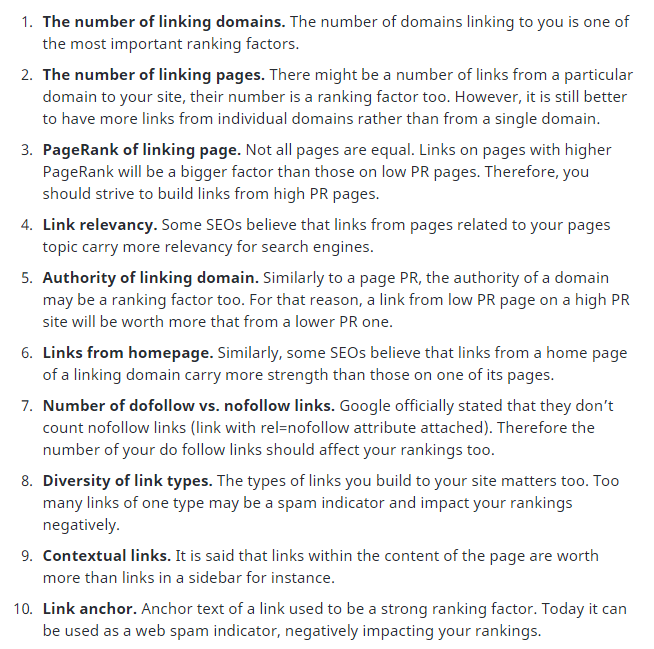
off page seo factors

In the past, if I generated 100 links to my page, and you had only 20 links, Google would view my web page as more authoritative and valuable than yours.

Link quality wasn’t all that important at the time.

But today, links are perceived differently. A lot of questions arise when Google sees a link pointing to your web page. For example:

  • Where does the link come from?
  • What prompted the site owner to link to you?
  • What is the link quality? (I.e., is it from an authority site?)
  • How fresh is your link?
  • How natural is your link profile?
  • And so on…

When building links to your site or internal pages (which is more ideal in today’s SEO), focus on relevant, authority, and SEO-friendly links.

Ways to Get Valuable Links to Improve Off-page SEO

There are a variety of approaches when it comes to getting backlinks. Here are some of the most common and effective.

1. Broken Link Building

Even though I’ve written tons of posts on broken link building, sadly, not many people do it. Per Semrush, 40.5 percent of websites contain broken links, and you can leverage that by asking websites with broken links to replace the links with valid ones to your site.

Broken link building is easy, faster than guest blogging, and could provide a substantial avenue to earn the right links.

When I launched my nutrition blog, I leveraged broken link building tactics and generated a handful of natural links from trusted sites through that strategy.

The opportunities are just endless when you capitalize on dead links. Because in reality, the internet is broken…literally.

Lots of links that you see on authority blogs are actually dead. As hosting expires, sites are messed up during file transfer or migration or typing mistakes happen and links are bound to break. They lead to 404 error pages, which don’t appeal to users (more on this later).

All these broken links are to your advantage.

There is nothing new or fancy about fixing broken links. This link building tactic will never become outdated or fizzle out, because the internet will always have new broken links that need to be fixed.

If you have too many dead links on your blog, and are wondering whether your search performance will be affected, you don’t have to worry. According to the Official Google Webmaster Central blog, and confirmed by Semrush in 2021, 404 error pages or broken pages won’t affect your site’s ranking.

404s are a perfectly normal part of the web; the Internet is always changing, new content is born, old content dies, and when it dies it (ideally) returns a 404 HTTP response code. Search engines are aware of this; we have 404 errors on our own sites, as you can see above, and we find them all over the web. In fact, we actually prefer that, when you get rid of a page on your site, you make sure that it returns a proper 404 or 410 response code (rather than a “soft 404”).

Although Google likes to see a proper 404 error page, do you think it’s a good experience for the user? Absolutely not.

When people click on your web page from an organic results page, they’re not expecting to see a 404 error page, but rather want to see the exact content they searched for.
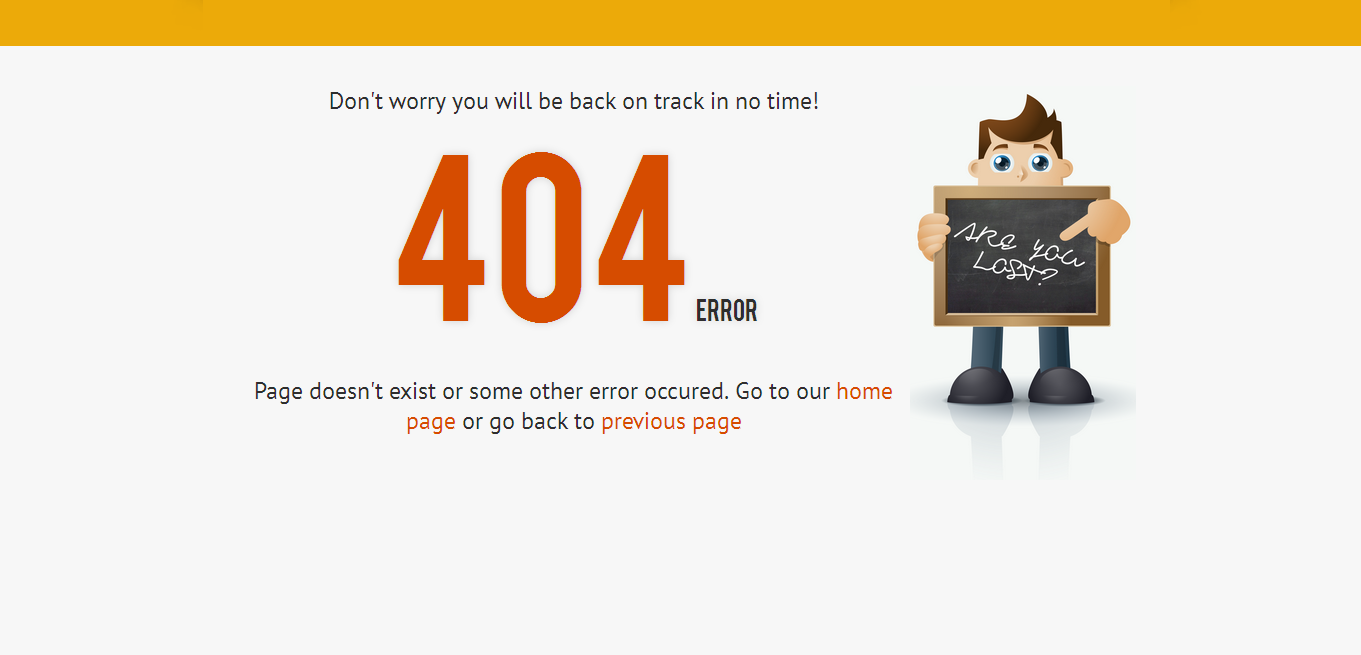
effect of 404 errors on off page seo

Imagine how frustrated people will be when they searched for “best digital wrist watch,” only to click on the first result and see an error page.

A few of these searchers will likely mark the site address and vow never to visit again. Obviously, the user experience was poor. And there’s nothing that drives people away more than a poor user experience, which is a natural indication of your overall customer service to the searcher.

The result of this can be disastrous. According to Sacramento Design Network, “85% of your business could be lost due to poor customer service.”
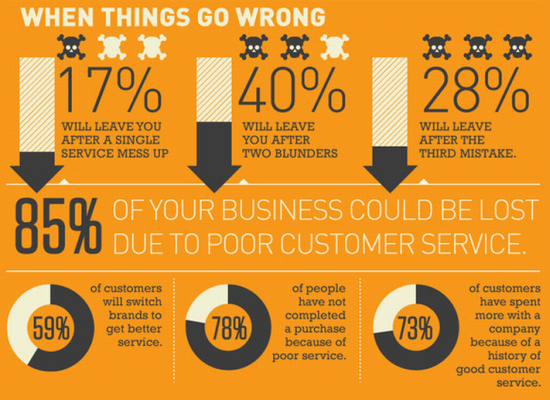
image05

In a nutshell, broken link building breaks down to four simple steps: conduct a backlink analysis on a relevant website, find a broken link, contact the owner, and let them know about their dead links.
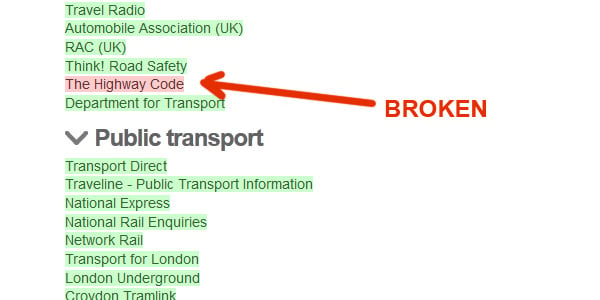
pulling broken links for off page seo strategies

Since you’re helping the site owner locate non-functional links, they might do you the favor of including a link to your website. Ideally, offer a replacement link when appropriate.

If I linked to a particular web page from my Neil Patel blog and found the links to be dead, I could easily replace it with another relevant and high-value resource. If that high-value page belongs to you, that’s both SEO juice and a valuable link.

Trust me, you can get it right the first time, and build the right links to your web pages using this tactic. You’ll find these resources really helpful:

Create and Distribute Compelling Infographics

There’s no doubt about it: infographics still work and will likely continue to work in the future.

As of 2020, infographics were the fourth most commonly produced form of content marketing media.

While infographics can still yield impressive results, you have to understand that not all infographics will get the job done.

You’ll most likely agree that my infographics are top-notch. In fact, I spend up to $1,000 to have a single infographic designed.

However, if you’re on a tight budget or just starting out, you may not be able to afford $1000 infographics.

Luckily, you can use sites like Dribbble to find professional infographic designers for half the price. If you decide to use Visual.ly, you’ll get a better design – but their service costs more.
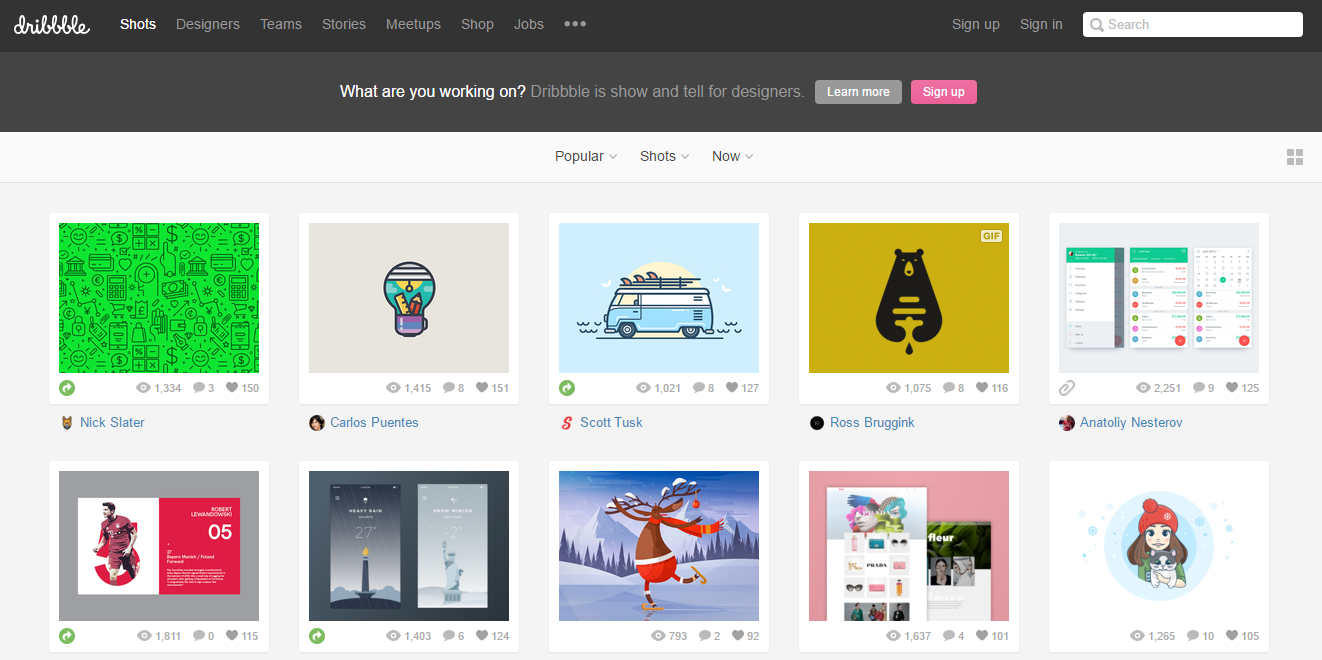
infographics for off page seo

A lot of content marketers use infographics to attract the right audience, acquire authority links, and grow their email list.

For instance, Ken Lyons shared a WordStream case study in which they created a useful infographic that helped a lot of people. Interestingly, the infographic earned a link from CNN and drove loads of traffic to its site.

Ann Smarty, a prolific content marketer, created a useful infographic that generated 10 powerful links in just 2 days.

Whether you’re a B2B or B2C company, you can use visual marketing to drive engagement with your target audience and earn editorial links from the right sites.

I love creating and distributing compelling infographics. Like any compelling content, when you give it sufficient initial promotion, an infographic has a greater chance of going viral.

The good news is that you’ll continually generate organic traffic to your blog when people start to share your infographics.

In my experience, I’ve found that infographics generate 37.5% more backlinks than a typical blog post. This makes creating infographics an irresistible link building tactic that you should definitely try.

If you’re ready to create and distribute infographics to improve your off-page SEO efforts, the resources below will be helpful:

Of course, there are other ways to build quality links to your web pages. For example, you can leverage blogger outreach to build relationships that will yield better links, and use social media outreach to claim unlinked brand names from relevant blogs.

How to Avoid Google Penalties for Unnatural Links

Backlinks are really important, especially if you want to sustain your site’s ranking position. But we can’t talk about off-page SEO without mentioning Google penalties and unnatural links.

The truth is that links can significantly affect search performance – for better or worse.

If you ask pro bloggers which factor they think has the strongest impact on search rankings, many of them will say “links.”

Top brands, small businesses, and blog owners are also into link building. Data from MarketingSherpa’s 2012 Search Marketing Benchmark Report found that 59% of companies have done external link building.

You want to avoid Google’s penalty as much as possible, because recovering from a penalty can be daunting and very difficult.

Many things that used to interest Google, such as links from high PR sites, no longer have that strong impact.

Google is now more concerned about user optimization, user intent, and valuable content. The focus is no longer on the search phrases people use, but their purpose for using that particular phrase.
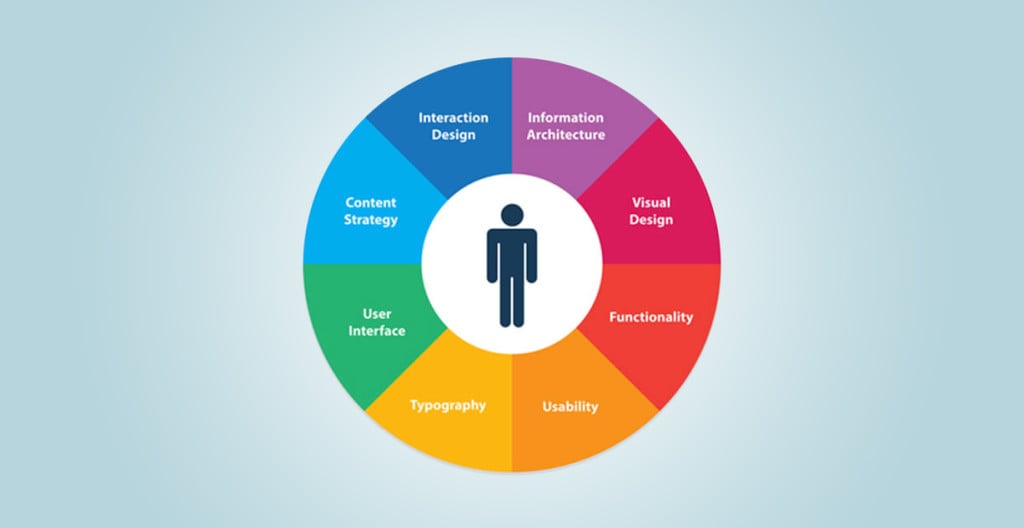
off page seo- components

A full backlink analysis can help you pinpoint which links are good or bad for your site – and how to stay off Google’s penalty radar.

The search engine giant hasn’t yet clued the SEO community into any step-by-step process for staying safe. However, there are things you can do to ensure that your site isn’t penalized.

These best practices have helped me generate over 700,000 blog visitors to QuickSprout without experiencing any penalty due to unnatural links and over-optimized anchor text.

1. Create Content and Optimize for the Users First

You probably already know what this means. The question is, are you putting your users first?

To truly put users first, forget about mentioning your keywords several times in the post, especially if it doesn’t flow naturally.

Putting users first goes beyond keyword usage. Sometimes you may not outright target any keyword, yet somehow your content looks too promotional.

Users don’t like to be sold. Instead, help them by creating valuable content. As much as you can, integrate data into your blog posts, and use visuals to convey your message clearer.

If you help them with great content, they’ll want to know more about you.

2. Diversify Anchor Texts

After conducting a full backlink analysis and seeing where your links are coming from, you should next work to diversify your anchor texts.

Diversifying your anchor texts simply means using different keyword phrases, brand names, and generic terms so that Google will view your links as natural and not manipulative.
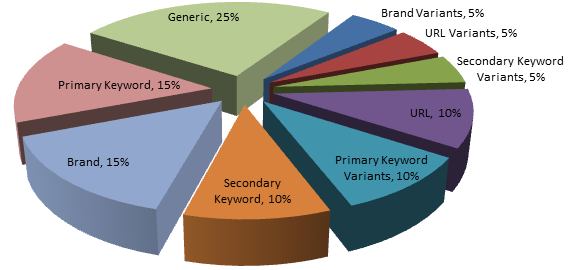
diversifying links for off page seo

After all, if you didn’t do anything fishy to get the links, then your links shouldn’t all have exact match keywords in their anchor texts, right?

When diversifying your anchor texts, make relevance your top priority. Google will analyze your link based on the topic of the referring page and how thematically consistent it is with yours.

You know that it’s impossible to control where you get links from. Anyone can share your content and link to it however they please.

Since you can’t control your anchor texts or where the links come from, you should use your brand name as anchor text more often.
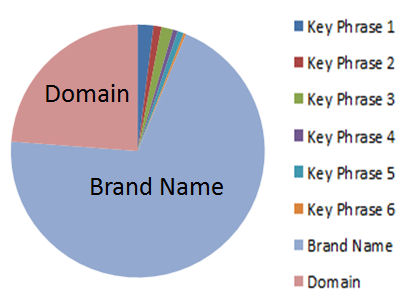
using brand name for off page seo

If you’re a social media expert and you’re interviewed by a car blog, you should use your brand name as anchor text.

That’s because these topics — cars & social media — aren’t thematic or closely related and Google uses the anchor text of external links to the page to judge the quality, relevance and usefulness of any link gotten from there.

Last, but not least, make sure that you get links from high-quality sites, disavow low-quality links from thin pages, blend nofollow links into your link profile to make it natural, and publish fresh content to increase brand mentions.

Off-Page SEO Conclusion

What is off-page SEO?

Off-page SEO includes any signals that tells Google and other search engines that your site is valuable to your audience. Inbound links are one example.

What are some off-page SEO elements?

Links, reviews, company information, video, social media profiles and audiences

How does on-page SEO relate to off-page SEO?

By optimizing your on-page SEO, you increase the value of the page, thus making it more desirable to link to.

How do keywords affect off-page SEO linking?

There are many attributes that go into the value of keywords in off-page SEO links, including user experience, use of the primary keyword, and value/depth of the content surrounding related keywords and topics.

Off-Page SEO Conclusion

It’s high time to get off your site and to network with other industry bloggers and site owners if you want to increase boost your search engine ranking.

Understand that Google Penguin and other algorithm updates weren’t primarily targeting search results that didn’t have tons of incoming links.

You should always use white-hat link building strategies to improve your off-page optimization.

However, you need to prepare your website to receive authority link juice as you work hard to build and earn links. Make sure your site is easily navigable.

When it comes to creating a better content experience, it all boils down to answering user’s questions. Start by identifying the questions asked by your ideal customers. You can find these questions on Quora, Twitter, and other social networks. Creating high-quality content is a top SEO technique that cannot be overemphasized.

Above all, search engine optimization is not a hit-and-run marketing approach. You should approach it knowing that the efforts you put in today will pay off in the future, ultimately increasing your search engine rank and leading you to the success you desire.

Most of all, be consistent and patient and you’ll gradually climb to the top of Google’s results.

Which other off-page SEO best practices do you think are important for improving organic search rankings? What are your thoughts on the intersection between SEO and your social network presence?


from Neil Patel's Digital Marketing Blog https://ift.tt/BwZYn6V
via IFTTT

Monday, 2 May 2022

The Rise of the Hybrid Consumer and How They are Changing the Way We Shop [Webinar on May 5th)

The Rise of the Hybrid Consumer and How They are Changing the Way We Shop [Webinar on May 5th)

As people return to physical shopping post-pandemic, a new behavior has emerged: hybrid shopping. Put simply, hybrid shopping is a blend of physical and digital shopping.

Given this trend, it’s important to create strategies that provide consumers with seamless, personalized, and convenient shopping experiences across digital and brick-and-mortar shops. Brands must reevaluate how they advertise, provide support, and even how they go about suggesting products. 

Wondering how to get started? Learn how to better connect with hybrid consumers in the upcoming webinar we are presenting with Adweek on The Rise of the Hybrid Consumer and How They are Changing the Way We Shop on Thursday, May 5th at 1pm EST

The Rise of the Hybrid Consumer: How They Came to Be

In the post-Covid world, consumers have been rethinking, reevaluating, and adapting their lifestyles accordingly. As a result, their interests, shopping behaviors, and preferences have changed significantly.

While the “Hybrid Consumer” may seem like a new concept, we have been building towards them for a few years now. It was just digitally accelerated due to the pandemic.

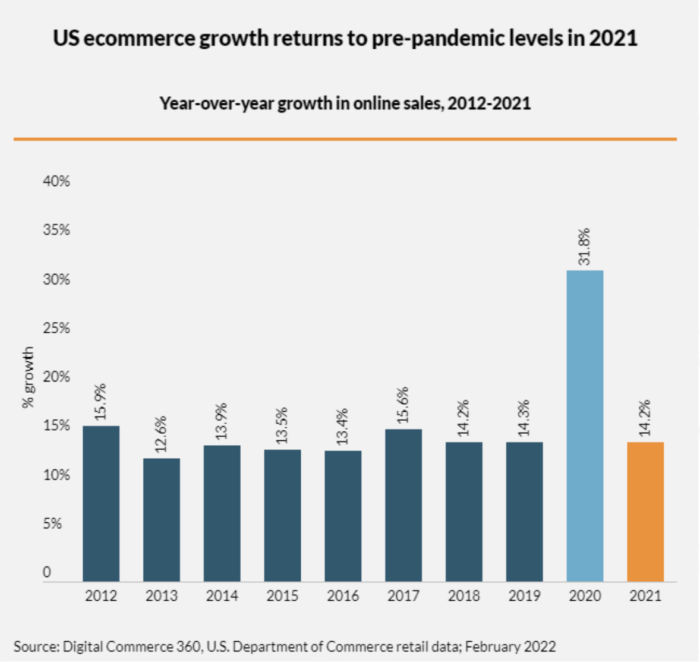
In 2020, consumers did most of their shopping online; in fact, online sales grew by a whopping 31.8 percent from 2019 to 2020. This was more than double their average annual growth rate which was already impressive enough.

When businesses started reopening in 2021 and consumers began returning to in-store physical shopping, they didn’t abandon their online behaviors.

As “Hybrid Consumers”, they no longer distinguish between online and offline channels. For example, they may look at an item in-store but then do more research online before making a purchase there. They may also research and buy online before picking up a product in-store.

Rather, they’ve become “hybrid consumers” and no longer distinguish between online and offline channels. For example, hybrid consumers may look at items in-store, but complete their purchase online. The inverse is also true: they may shop online and pick up in-store.

As a result of these shifts, shoppers are creating new opportunities and challenges for marketers. It is more important than ever for businesses to track consumer actions to come up with a plan that better reaches and engages them.

Learn more about how to capitalize on these opportunities in the upcoming webinar on Thursday, May 5th.

Why Hybrid Consumers Are Important

“Hybrid Shopping” has caused a surge in sales for online marketplaces like Amazon, Walmart, Best Buy, Etsy, and Home Depot.

In fact, e-commerce sales are still growing and are expected to hit $7.391 trillion by 2025. E-commerce accounted for about $1 in $5 of total retail sales in 2020 and 2021 and as systems improve to benefit hybrid consumers, this could continue increasing.

Since consumers are now making purchase decisions based on a combination of in-store and online interactions, businesses much cater to the cultural shift which this webinar will prepare you for.

What the Rise of Hybrid Consumers Means to Brands

Hybrid consumers no longer distinguish between online and offline channels. They might go into a Walmart or Best Buy and see something they like, but then make their purchase through a third-party marketplace seller online.

If you aren’t creating more personalized and seamless shopping experiences that hybrid consumers want, they will look elsewhere to make their purchases.

What we are seeing is just the beginning of hybrid shopping and as consumer expectations evolve, so will the experiences needed to reach them. As people get accustomed to the seamless integration of physical and digital experiences, the “hybrid consumer” will continue to change. Things like personalization and ease-of-use were a marketing strategy at best, and an afterthought at worst.

Consumers now expect shopping to be quick, convenient, and to catered to their satisfaction. Businesses must adapt, improve their online processes, and consider what experiences are needed to match the expectations of their target audience.

Who Will Benefit from This Webinar?

Some important stakeholders who will benefit from the content taught in this webinar include:

  • e-commerce business owners looking to grow their revenue
  • businesses looking to improve their online capabilities
  • marketers who have clients with revenue-growth goals
  • small business owners looking to improve online and in-store experiences
  • designers and developers looking to create seamless online experiences for consumers

What Businesses Will Benefit from This Webinar?

Any business will benefit from the content taught in this webinar, especially those with an online and physical presence.

E-commerce businesses will learn actionable strategies that will drive more conversions and, thereby, grow their revenue. Shops that previously focused on physical sales will learn how to create digital experiences that will drive more traffic, increase their revenue, and grow their customer base.

What You’ll Learn in This Webinar

There will be lots of valuable content included in this webinar to help businesses adapt for the hybrid consumer of today and the changes to come tomorrow. A few key things include:

  • How your brand can maintain the right mix of online and offline strategies to maximize customer acquisition and retention.
  • Key opportunities for marketers to respond to new consumer expectations.
  • Strategies for building a more integrated marketing model.

To learn more about these specific strategies, join us on Thursday, May 5, at 1pm EST.


from Neil Patel's Digital Marketing Blog https://ift.tt/12Vg5Bx
via IFTTT

Marketing Funnel Stages: How To Get More Leads and Sales at Each One

Marketing Funnel Stages: How To Get More Leads and Sales at Each One

Do you know what your marketing funnel looks like?

If not, you’re likely losing out on leads and sales. According to data from Salesforce, 68 percent of companies have not even identified their marketing funnel. Those that do stand to see results, though. For example, according to Semrush, 72 percent of marketers who create “how-to” guides as a top-of-funnel strategy see success.

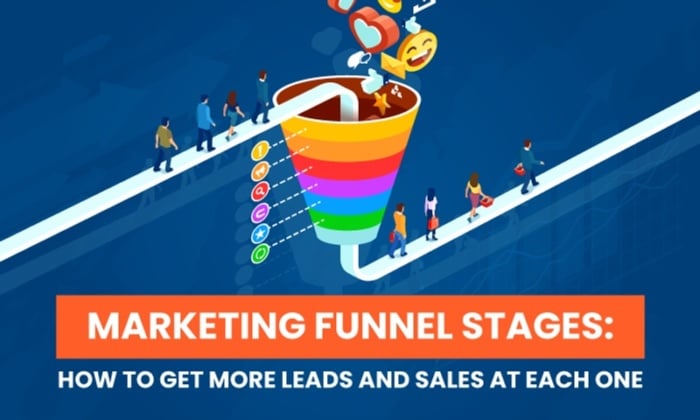
In this blog post, we’ll discuss the different stages of the marketing funnel and what you need to do to increase leads and sales at each one. Plus, we’ll cover marketing funnel tips to help you convert more leads.

What Are the Marketing Funnel Stages?

Many brands have their own versions of marketing funnel stages. For example, HubSpot’s Flywheel model has gained popularity in recent years.

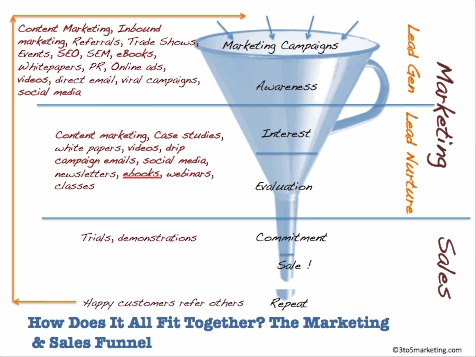
For the purpose of this post, here are the main stages of the marketing funnel:

  1. Top of Funnel: Awareness/Attention
  2. Middle of Funnel: Interest/Consideration
  3. Bottom of Funnel: Intent/Action
  4. Post Funnel: Loyalty/Advocacy
diagram of marketing funnel stages

1. Awareness/Attention

Awareness is the first stage of the marketing funnel, and it’s an important one. According to a Content Marketing Institute survey, 88 percent of marketers feel content marketing is most effective for brand awareness.

Brand awareness is when potential customers become aware of your brand or product. For example, they may see one of your ads on social media or come across your website in the search results.

At the awareness stage, you want to focus on getting your brand in front of as many people as possible. You can do this through activities like content marketing, search engine optimization (SEO), social media marketing, and paid advertising.

2. Interest/Consideration

The second stage of the marketing funnel is interest or consideration. In this marketing funnel stage, potential customers are aware of your brand and are starting to learn more about it. They may have read one of your blog posts, watched a video about your product, or visited your website.

At this stage, you want to continue providing potential customers with valuable content to help them learn more about your product or service. You can do this through blog posts, videos, infographics, case studies, ebooks, and webinars.

3. Intent/Action

The third stage of the marketing funnel is intent or action. In this marketing funnel stage, potential customers are interested in your product or service and considering making a purchase. They might add your product to their cart or request more information in the form of a demo.

4. Loyalty/Advocacy

The fourth and final stage of the marketing funnel is loyalty or advocacy. Per the Content Marketing Institute Survey, 78 percent of marketers think one of the most effective uses of content marketing is brand loyalty.

At this stage, customers have made a purchase and are now using your product or service. At this stage, it’s important to continue providing your customers with valuable content and support. This will ensure they remain loyal advocates for your business.

4 Top of Marketing Funnel Strategies

The top of the marketing funnel is where you generate awareness and interest in your product or service. These are often called TOFU strategies (top-of-funnel).

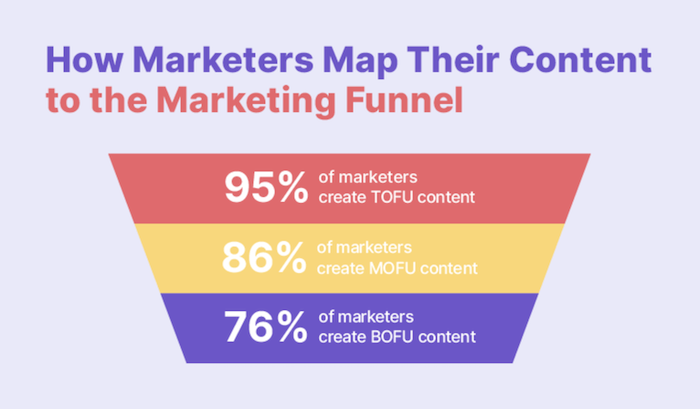
According to Semrush, 95 percent of marketers focus on TOFU strategies, making this stage of your marketing funnel the most popular.

breakdown of marketing focus in marketing funnel stage

The goal at this stage is to reach as many potential customers as possible and get them interested in what you have to offer.

Top-of-funnel KPIs include:

  • traffic sources
  • organic sessions
  • ad impressions
  • ad frequency
  • pages per session

Some of the best content types for this stage are blog posts, social media content, videos, and paid digital ads.

When creating content for the top of the marketing funnel stages, focus on generating awareness and interest. This means your content should be educational and informative. You can also use humor and storytelling to capture attention.

Remember, the goal at this stage is not to sell your product or service, but rather to get people interested in what you have to offer. By creating interesting and informative content, you’ll generate more leads and sales at each stage of your marketing funnel.

1. Share Your Brand Story on Social Media

Your brand story is the foundation of your marketing funnel. It is the narrative you want people to associate with your products, services, and marketing.

Studies show brand stories drive ROI. Data from Headstream found 55 percent of people are more likely to buy from a brand if they like its story. On top of that, 44 percent will share that story with others in the future.

Sharing your brand story can take a variety of formats You can write blog posts or create social media content that tells how you were founded. You can also make videos or podcasts that show off your brand’s personality.

When sharing your story, make sure it’s authentic, relatable, and interesting. Share stories that highlight your company culture, values, and mission.

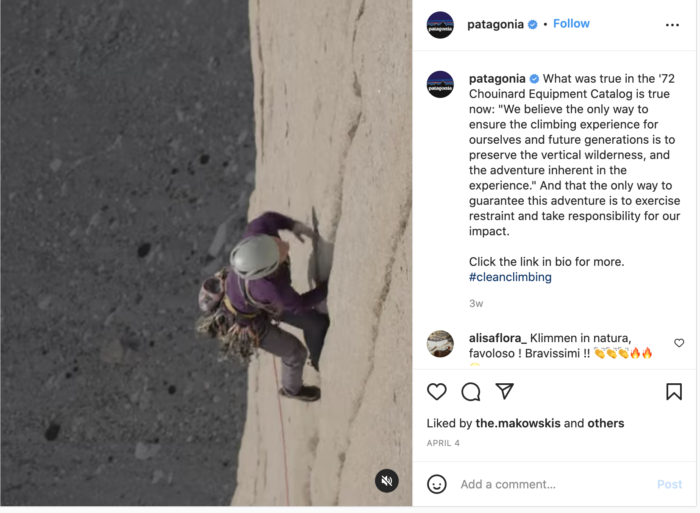
For example, Patagonia is a brand known for its commitment to environmental causes. Their story is one of adventure, exploration, and conservation.

This brand story has helped them attract a customer base that is passionate about the outdoors and cares about sustainability.

People buy from them not just because their products are good, but because they believe in who Patagonia is as a brand.

Patagonia's brand story used for marketing funnel

2. Become an Advocate for Causes Your Brand and Customers Care About

A study by Edelman Earned Brand found values-based communication is as effective as product-based communication in driving purchase intent.

This means when you advocate for causes your customers care about, you’re more likely to earn their business.

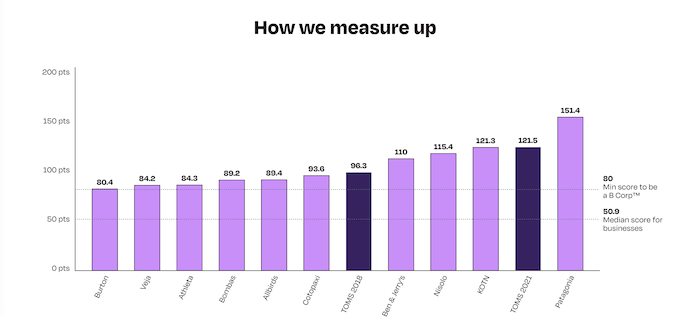
For example, Toms is a company built on the idea of giving back. They invest 1/3 of their profits into grassroots organizations focused on driving sustainable change.

Toms has become a billion-dollar company by marketing to people who want to make the world a better place.

Marketing Funnel Stages - a graph showing impact driven companies with patagonia and toms leading the pack

You can do the same thing by finding causes your target market cares about and supporting them through marketing initiatives.

It could be anything from environmentalism to social justice.

The important step is to align your marketing efforts with causes your target market feels passionate about and show you care, too.

This makes it more likely they’ll do business with you and improves the likelihood that they’ll become brand advocates and promote your business to their friends and family.

Do you know what causes your target market cares about?

3. Run Paid Ads

Paid ads are an essential part of your digital marketing funnel. Not only do they help you to reach a wider audience, but they can also target specific demographics, interests, and even locations.

In fact, research from eMarketer found paid advertising is a failsafe way to increase your brand awareness.

There are a variety of paid ad options for your top of funnel marketing strategy, including:

  • ads on podcasts
  • YouTube ads
  • ads on social media
  • Google ads

When choosing which platforms to advertise on, consider where your target audience spends their time online. This research will ensure you’re not wasting your marketing budget on ads that no one engages with.

For example, if you’re targeting young adults, then focus your paid ad strategy on platforms like Snapchat and Instagram. However, if you’re targeting an older demographic, Facebook and LinkedIn would be better options.

Once you’ve determined which platforms to use, design your ads with brand awareness in mind.

This might mean creating an ad that tells a story or using emotionally-driven language. The goal is to get potential customers interested in your product or service so they move further down your marketing funnel stages.

4. Build SEO-Rich Blogs

Studies show 60 percent of customers say blog posts are valuable in the early marketing funnel stages.

Marketing Funnel Stages - graph showing different content types and how they affect early stages of marketing funnel

Blogs are an effective way to generate leads because they allow you to show off your industry expertise and attract readers who might not be familiar with your brand.

To make your blog posts more effective, include relevant keywords throughout the content.

This will improve your search engine ranking so people will find your blog when they’re looking for information on the topics you write about.

In addition, include calls-to-action (CTAs) throughout your blog post.

A CTA is a prompt that encourages readers to take a specific action, such as visiting your website, signing up for a newsletter, or downloading a white paper or e-book.

By including CTAs, you can guide readers to the next stage in their buyer journey, moving them down your marketing funnel stages.

To improve your blog ranking further, check out these tips on how to rank a blog.

4 Middle of the Marketing Funnel Strategies

The middle stage of your marketing funnel is all about nurturing leads and getting them closer to a purchase decision. It’s also about filtering out leads that aren’t a good fit. This stage is also referred to as MOFU (middle-of-funnel).

At this point, your KPIs focus on cost efficiencies. You don’t want to throw content at someone who isn’t interested, so your placements need to be more personalized.

Middle funnel KPIs include:

  • direct message replies
  • app installs
  • downloads
  • lead volume

You’ll also want to think about ways to keep customers coming back for more.

Some strategies to use during this stage include:

  • Creating lead magnets, such as ebooks or white papers that require an email address for download.
  • Offering free trials or demos of your product.
  • Developing email marketing campaigns to keep leads engaged.
  • Creating retargeting ads for people who have visited your site but haven’t converted.

Here are four strategies you can use to get more leads and sales in the middle stage of your marketing funnel.

1. Create FAQ Content

Frequently asked questions are crucial for content marketing in the middle stage of your marketing funnel.

Not only do FAQ pages address user concerns and hesitations, but they can also be a great way to target specific keywords in search.

To find questions your target customers are asking, you can use keyword research tools like Ubersuggest.

You can also look for questions being asked on social media and forums related to your industry. Searching popular industry hashtags will help you find those questions. Google’s “people also ask” questions are another source of inspiration.

Once you’ve compiled a list of questions, start brainstorming related questions your target customers are likely to ask at this stage.

From there, you can create blog posts, infographics, or even videos that answer these questions. You can also create a stand-alone FAQ page on your website.

Not only will FAQs attract leads further down the marketing funnel, they can also help you attract organic traffic from search engines.

2. Include Case Studies on Your Website

According to HubSpot, 13 percent of marketers say case studies are one of the main forms of content that are used in their marketing strategy.

This makes case studies the fifth most popular type of content, only behind visual content, blogs, and ebooks.

If you’re not already using case studies on your website, now is the time to start.

Case studies nurture customers in the middle of your digital marketing funnel by providing real-world examples of how your product or service helps businesses achieve their goals.

This establishes trust and credibility, which are essential if you want to convert leads into customers.

You can also use case studies in paid ad campaigns to further increase conversion rates.

Check out the video below to learn more about crafting effective case studies.

3. Leverage Retargeting

How can you find interested leads if they haven’t contacted you first?

Remarketing (or retargeting) is a marketing technique that shows your ads to people who have already engaged with your brand in some way. Maybe they’ve visited your website or followed you on social media.

To leverage this strategy, you’ll need to install a pixel from an ad platform on your website that allows you to track visitors as they move around the internet. Here’s how to get started with Facebook retargeting and Google Ads retargeting.

Once you have the pixel installed, you can create targeted ads that will follow your leads as they surf the web.

For example, you could create an ad promoting your product to people who visited your website but didn’t make a purchase.

Or, you could offer a discount to people who visited your website in the past week.

Installing a pixel on your website is an extremely effective way to keep your brand top-of-mind in the middle of your funnel. It can also increase the chances leads will come back to your website and convert into customers.

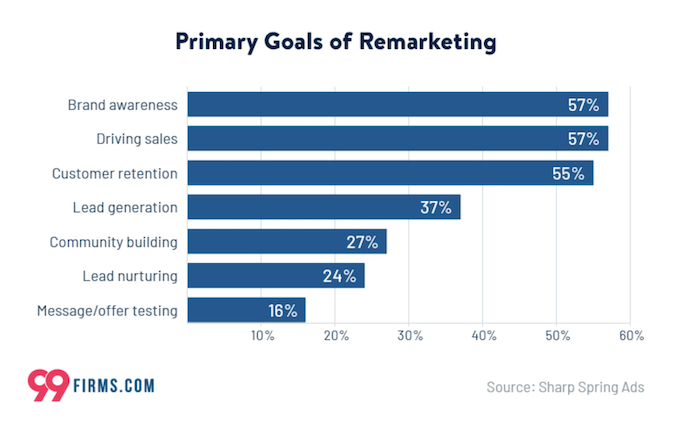
Marketing Funnel Stages - bar graph showing primary goals of remarketing campaigns

As you can see, remarketing can be used at any stage of the marketing funnel.

4. Showcase Customer Stories

Research shows 40 percent of customers follow brands based on recommendations from friends or family. As well, 91 percent read online reviews before making a purchase.

That is the power of social proof. One of the best ways to show social proof is through customer stories.

These can take the form of testimonials on your website, or reviews on product pages.

You can also create more in-depth case studies showing how your product or service helped a customer achieve their goals.

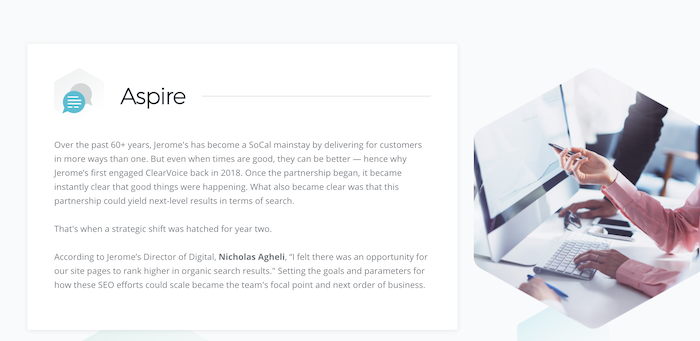
For example, ClearVoice has a dedicated Customer Stories page on its website, which features in-depth interviews with customers about how they use the platform to drive results.

Marketing Funnel Stages - clearvoice customer story aimed at mid stage marketing funnel

This strategy not only builds social proof but also increases your credibility and authority.

Not to mention, when prospects see you’re a credible and trustworthy company, they’ll be more likely to do business with you.

4 Bottom of the Marketing Funnel Strategies

Bottom-of-funnel strategies (or, BOFU) are all about conversion.

At this stage, your goal is to get prospects to take the desired action, whether that’s signing up for a free trial, subscribing to your email list, or making a purchase.

KPIs at the bottom of the marketing funnel include:

  • conversions
  • sales
  • store visits
  • customer lifetime value

Here are four strategies you can use to drive conversions at the bottom of your marketing funnel.

1. Create a Demo of Someone Using Your Product

​​Once your customers reach the bottom of your marketing funnel, they should have a very clear idea of what value you deliver.

They are likely interested in trying your product but may be hesitant to commit to a purchase without seeing it in action first.

One way to ease their concerns and increase the likelihood of conversion is to create a demo of your product in use.

This could be a video or an interactive tool that simulates the experience of using your product.

For example, if you’re selling a clothing item, let your customer see what it looks like on their body. Gucci did this using Snapchat’s AR filters to show customers what their shoes would look like on their feet.

Marketing Funnel Stages - snapchat AR filter showing virtual shoes on customers feet

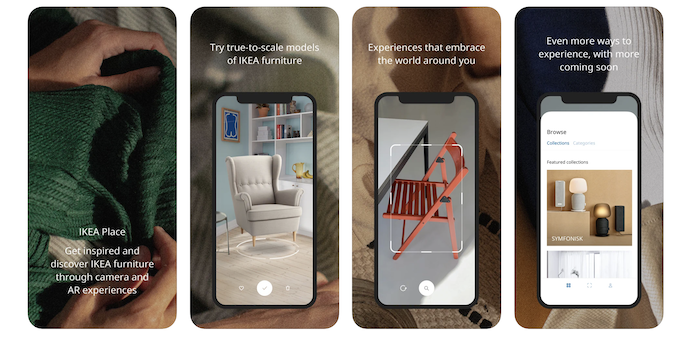
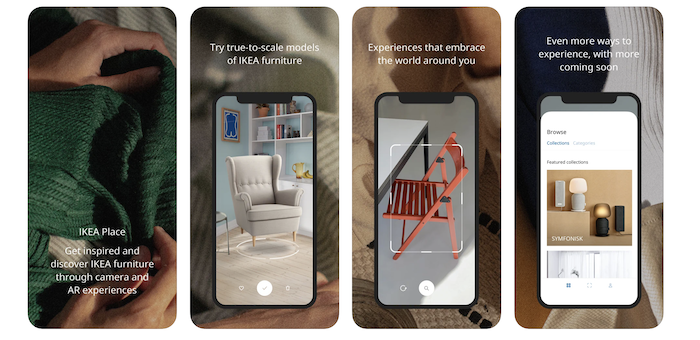
You can also try creating an interactive tool that allows users to see what a product would look like in their own home.

IKEA Place lets users place virtual furniture in their own homes to see how it would look.

By giving customers a realistic preview of what your product looks like and how it works, you can increase the likelihood that they’ll make a purchase.

2. Publish Highly-Targeted Blog Posts

In the bottom stages of your marketing funnel, you should be focused on providing as much value to your audience as possible.

One way to do this is by publishing blog posts that are highly targeted to their needs and interests.

For example, if you sell software that helps marketing teams track their customer data, you could write a blog post about the importance of data tracking in marketing.

This would be a great resource for marketing teams considering your software, and it would help you generate leads and sales from this stage of the funnel.

You could even take it a step further and speak to direct ways your product has answered a customer pain point.

By providing value to your audience and addressing their specific needs, you can increase the likelihood they’ll make a purchase from you.

Not to mention, data shows marketers who make blogging a priority are 13 times more likely to see positive ROI.

3. Offer Coupons or Discounts

Coupons and discounts are often offered in the middle of your marketing funnel as a way to increase conversions.

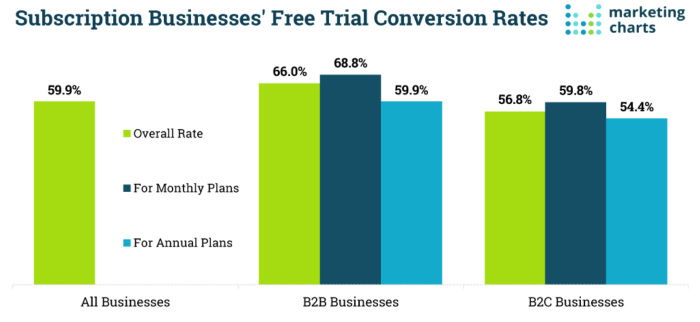
Data shows 6 out of 10 free trials convert to paid subscriptions. For B2B businesses, this close rate is even higher, around 66 percent, or 2 in 3 trials converting. B2C tends to sit around 57 percent.

marketing funnel stages - subscription business free trial chart

However, what happens if your customer hasn’t had enough time with your product to convert?

Should you cancel the discount and force them off, even if staying longer might result in a purchase?

Of course not.

There’s nothing wrong with extending a coupon or discount if you think the customer may just need a little more time.

It’s better to keep them in your marketing funnel (and eventually convert them) than lose them entirely.

Extending coupons and discounts can be a great way to increase conversions, but only if it’s done at the right time. If you extend too early, you risk losing potential profits.

If you extend too late, the customer may have already made their decision and moved on.

Finding that perfect balance is key to maximizing your marketing funnel’s effectiveness.

4. Make Pricing Clear and Customizable

Once your customer reaches the bottom stages of your marketing funnel, they’re going to be looking for pricing information.

This is where things can get a little tricky. Pricing can make or break a conversion. If a customer feels your price is too high, they may move on to a competitor.

On the other hand, if your pricing is too low, they may question the quality of your product.

The best way to combat this issue is to be as transparent as possible with your pricing.

Make sure all prices are listed clearly on your website or marketing materials. If you offer discounts or free trial options, be sure to list those as well.

You should also give customers the option to customize their order, so they can get exactly what they need.

Designing your pricing page from high to low has also been shown to increase conversions, according to data from the CXL Institute.

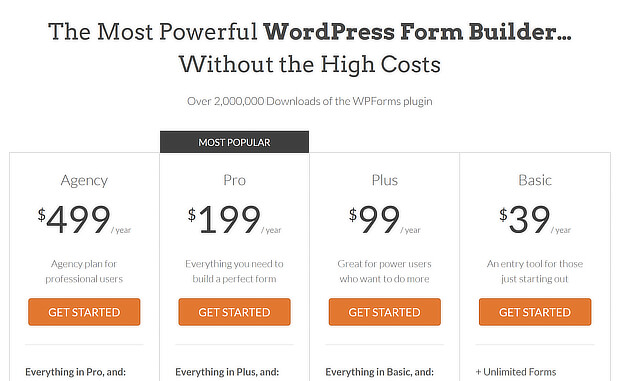
Here’s an example of this from WPForms.

marketing funnel stages - guide wpforms pricing page showing pricing from high to low

The last thing you want is for a customer to reach the bottom of your marketing funnel only to be confused or turned off by your pricing.

Being upfront and honest about your prices helps prevent potential issues and increases conversions.

Learn how to create a pricing page that converts in this blog.

4 Post Marketing Funnel Strategies

Once customers have converted, your work isn’t done. At this stage, your focus should be on making sure customers are happy so they come back for more—and recommend you to their friends.

Here’s four strategies that help build long-term growth.

1. Use Surveys to Learn More

One of the best ways to improve your marketing funnel stages is to learn how and where your customers get stuck.

Including surveys in your strategy, either on your website, through email marketing, or after a conversion, can give you valuable insights into customer behavior.

For example, a post-purchase survey can measure customer satisfaction and let you know what works in your marketing funnel.

A drop-off survey, say when a customer cancels their subscription or asks for a refund, can help you learn what went wrong so you can improve the customer experience.

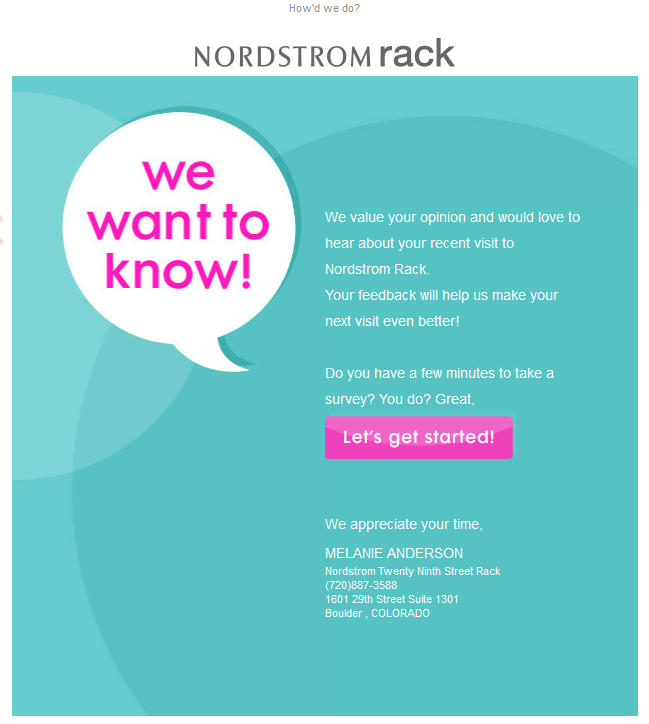
You can also use a post-visit survey to see how a customer’s in-store experience went, like in this example from Nordstrom Rack.

Marketing Funnel Stages - nordstrom rack post visit survey request sent by email

You can also use surveys to segment your audience and create marketing personas.

This way, you can target your marketing more effectively and see better results from your campaigns.

Find online survey creator options here.

2. Implement Session Recordings

If you want to know more about how to improve the customer experience on your site, consider implementing session recordings.

Session recordings show you how customers interact with your website, so you can identify any areas of confusion or frustration.

To get started, all you need is a recording tool like HotJar or Mouseflow.

Once you have recordings of your website traffic, you can begin to analyze them to improve your marketing funnel.

For example, if you want to know how your checkout page is performing, you can create a segment of all users who visited the page and then watch their behavior.

Maybe they get frustrated when they see your shipping prices. Or, maybe they have a hard time finding the coupon code input field.

Identify these issues, then make changes to improve your marketing funnel and increase conversions.

3. Create a Referral Program

At this stage of your marketing funnel, your customers are likely already using your product or service.

A great way to encourage them to continue doing so is to incentivize them with a referral program.

For example, you can offer them a discount on their next purchase for every new customer they refer to your business.

You could also offer a loyalty program that rewards them for continued business.

This is a win-win situation for both you and your customers because they get rewarded for spreading the word about your business, and you get more leads and sales.

This type of program not only keeps your customers coming back, but it also helps you acquire new customers through word-of-mouth marketing.

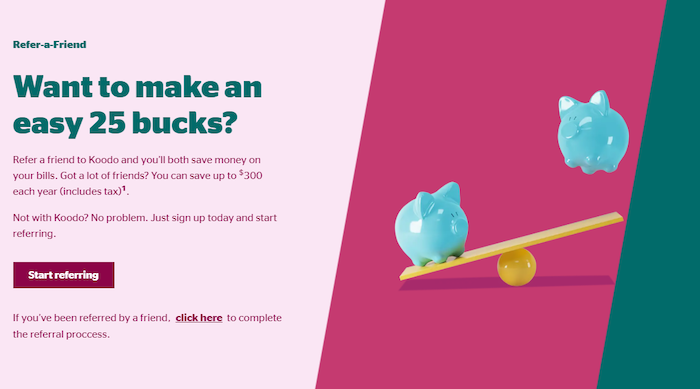
Check out this referral example from Canadian phone company Koodo, which offers an upfront payment, plus yearly savings for both referral and referee.

marketing funnel stages - phone company koodo referral program banner offering $25 per referral

4. Make Customer Service a Priority

Once your customers convert, you may think your work is done.

That’s not the case.

You need to ensure they are happy with their purchase, and this is where customer service comes in.

If you offer excellent customer service, your customers are more likely to do business with you again—and recommend you to others.

On the other hand, if you have poor customer service, you’ll likely lose customers and damage your reputation.

In fact, 68 percent of customers are willing to pay more for products or services that offer good customer service.

Eighty-six percent of customers say good customer service interactions turn them into long-term brand champions.

That’s why it’s so important to make customer service a priority, especially if you want to increase leads and sales from your marketing funnel.

Here are a few ways to improve your customer service:

  • Train your employees on how to handle customer inquiries and complaints.
  • Respond to customers in a timely manner.
  • Offer multiple channels for customer support, such as phone, email, live chat, etc.
  • Take feedback from customers seriously and use it to improve your products or services.

Following these tips will ensure your marketing funnel is running smoothly and your customers turn into long-term brand advocates.

Marketing Funnel Stages Frequently Asked Questions

What's the difference between a sales funnel and a marketing funnel?

A sales funnel takes a customer from marketing efforts to a conversion. A marketing funnel is the process of converting a potential lead to a paying customer.

What content types work for all marketing funnel stages?

Content like blogs, explainer videos, ebooks, and webinars can be used at any stage of the marketing funnel.

How long does it take to create a content marketing funnel strategy for each stage?

It can take anywhere from six months or longer to create a comprehensive content marketing funnel strategy. Each stage should be built out separately and then combined to encompass the full funnel.

How many stages are there in a marketing funnel?

There are generally four stages in a marketing funnel: Awareness/Intention, Interest/Consideration, Intent/Action, Loyalty/Advocacy.

Conclusion: Marketing Funnel Stages

Now that you understand all of the digital marketing funnel stages, it’s time to start crafting your strategy.

The first step is to understand who your customers are, what they want, and how you can deliver the experience they want.

From there, start creating content that will guide them through each stage of the marketing funnel.

Remember to tailor your marketing message and strategies to each stage of the marketing funnel for maximum impact.

The sooner you start, the sooner you can generate more leads and drive sales.

What tactics have you found useful in your marketing funnel stages?


from Neil Patel's Digital Marketing Blog https://ift.tt/AgK8VYH
via IFTTT