Friday, 4 November 2022

Link Building for Local SEO: 7 Simple Strategies

Graphic that says, "Link building for local SEO: 7 simple strategies."

Consumers want to connect with local businesses.

According to Google, searches including “near me” are increasing by 500 percent year on year.

What’s more, 81 percent of consumers used Google to search for information on local businesses in 2021.

What does this mean for digital marketers?

Well, if you’re hoping to reach local consumers, then you need to ensure they can find your business online. You need to propel your content to the top of relevant local Google search rankings.

One way to do this is by embracing the power of link building, specifically, link building for local SEO.

Let me show you how local link building works, why it matters, and how you can start building your own link profile.

What Is Link Building for Local SEO?

Link building refers to the process of acquiring links from other websites back to your own. These links are known as “backlinks,” “inbound links,” or “incoming links,” and they help to drive traffic to your website.

Now let’s put the two concepts together.

Link building for local SEO is the process of acquiring backlinks from relevant local businesses. The goal of local link building is to boost visibility in organic local search results and draw more traffic from local customers who are more likely to purchase from you.

Why Link Building for Local SEO Matters

There are three major reasons local link building matters.

First, Google considers the number of backlinks you have when determining your page rank. The higher the number of quality backlinks you have, the better your chances of securing a page one ranking. Over 67.6 percent of clicks go to the first five organic search results!

Second, link building for local SEO helps you drive specific, highly targeted search engine traffic to your website. By targeting the right traffic, you’re more likely to draw people who are serious about making a purchase.

Finally, link building for local SEO is a great way to build your brand’s visibility organically. It takes, on average, seven brand impressions before someone takes action (the marketing “Rule of 7” as it’s colloquially known). Better brand visibility helps you nurture prospects.

Link Building for Local SEO Strategies

Are you ready to get started on building your backlinks? Here are my top six strategies.

1. Get Links From Travel and Local Review Websites

According to research, 98 of consumers read online reviews about local businesses, and 85 percent of consumers are looking for a high star rating.

In other words, you need positive reviews, and you want them from websites that can help you with your local link building goals. For example, here’s a rundown of nine great new restaurants in Kansas City:

A review website providing a list of the best new restaurants in Kansas City.

Each listing includes a backlink and contact details:

Local link building on a review website in Kansas City.

As another example, Visit Kansas City, a travel website, has listings of popular local restaurants:
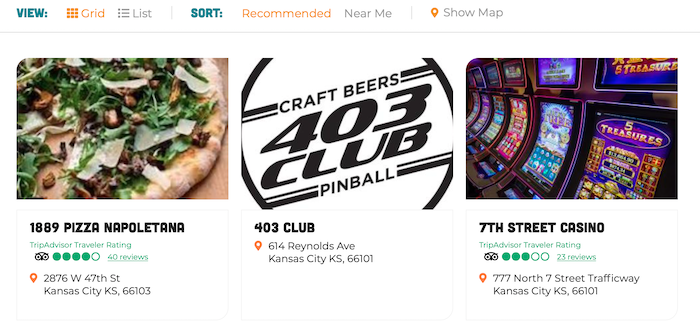
Local link building on a travel website in Kansas City.

Want customer reviews like this? You need to encourage your existing customers to leave reviews.

Kansas City magazine reps visited restaurants based on existing customer reviews rather than accepting cold pitches.

  1. Make it easy for customers to leave reviews on Google, Yelp, and other popular platforms.
  2. Offer incentives, e.g., a kayak business might offer a discounted kayaking session for reviewers.
  3. Highlight customer testimonials on your social media platforms—they make great User Generated Content, and often encourage others to leave their thoughts.

Link building for local SEO often means doing some manual outreach, so you can, of course, pitch local websites and see if they’ll list your business.

Just make sure you send a professional pitch, include relevant business information, and provide links to any customer reviews (if available.)

2. Hold Special Events and Promotions to Get PR Links

Want to build your local presence and increase brand awareness, all while sourcing local link building opportunities?

Consider holding special events or campaigns.

If you need some event inspiration, you might:

  • sponsor a local sports team
  • host a charity fundraiser
  • run a workshop
  • hold a contest

Or, you could offer promotions like a free product demo or seasonal discounts. It all depends on what makes the most sense for your business model.

Once you’ve chosen an event or promotion, you need to advertise it.

  1. Do some online research to find your local news outlets such as local papers, radio channels, Facebook community groups, etc.
  2. Decide which outlets to target based on your consumer demographic. 96 percent of 18 to 25-year-olds and 87 percent of 55 to 66-year-olds check social media daily, so online platforms are a good place to start.
  3. Draft a short press release. Include key events, details, and a URL for the backlink.
  4. Don’t forget to include keywords in your press release, too. Ubersuggest can help you find relevant keywords.

3. Get Listed in Local Business Directories

According to research, 94 percent of consumers have turned to a business directory at least once in the last year to learn more about a new company.

For local link building opportunities, target directories and get your company listed. Popular business directories include:

Want to find more local or niche directories? Google is your friend. For example, if you search “local small business directory Colorado,” one of the top organic search results is Colorado Enterprise Fund’s Small Business Directory:
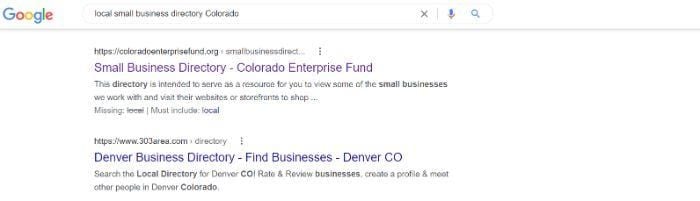
A screenshot of Google's webpage with "local small business directory Colorado" in the search bar.

When you’re ready to pitch a local directory, follow their instructions closely. Set out your key details, like your website and opening times, and include a short description of your business.

Every detail helps a directory verify your business which could improve your chances of acceptance (and acquiring a backlink).

4. Create a Blog Covering Local Topics

Do you have a blog yet? If not, start one and focus on covering local topics. Sure, this step requires more effort on your part, but here’s why blogging is worth it to build links for local SEO.

  • Blogging lets you showcase your knowledge and expertise, which increases consumer trust and, ultimately, encourages them to choose your brand over competitors.
  • According to a Demand Gen report, 60 percent of buyers read blog posts in the early stages of the purchase process.
  • Blog content is easy to share on social media. Over time, more shares mean more visibility for your brand which draws more traffic.

Once you’re ready to start your local blog, here’s how to get backlinks to your posts.

  • Backlinks begin with great content. Spend time researching what your audience wants and craft articles to meet their needs. If readers find your content useful, they’ll link back to it.
  • Pitch your content to link roundups. Roundups highlight great new content in a specific niche, and since the authors are always looking for content to feature, there’s a good chance they could offer a listing and backlink.
  • Highlight your posts on social media. The more people share your content, the more likely it is you’ll reach bloggers looking for content to link to.
  • Be active on platforms like Twitter, LinkedIn, and Facebook. Build business relationships, establish yourself as a local expert, and you’ll acquire backlinks naturally.

5. Use an SEO Tool Like Ubersuggest to Find and Target Competitor Backlinks

Why should you care where competitors get their backlinks?

It’s simple.

These are the types of places likely to link back to you, too, so it’s worth doing some competitor research to find websites to target for local link building opportunities.

Here’s how to use Ubersuggest to target competitor backlinks if you’re link building for local SEO.

Say you run a bakery in Denver. If we run a Google search, we can see one of the highest-ranking local bakeries is Azucar Bakery:
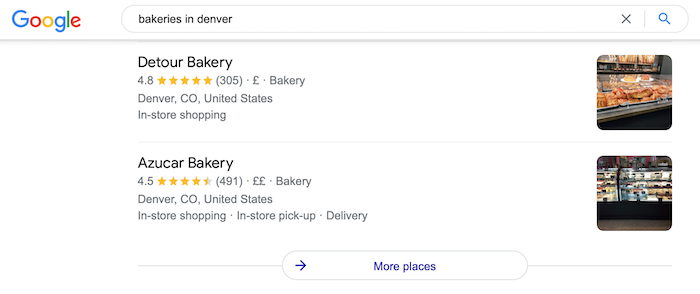
Screenshot of Google's webpage with "bakeries in denver" in the search bar.

Enter their website domain into Ubersuggest and click “Search” to get started:
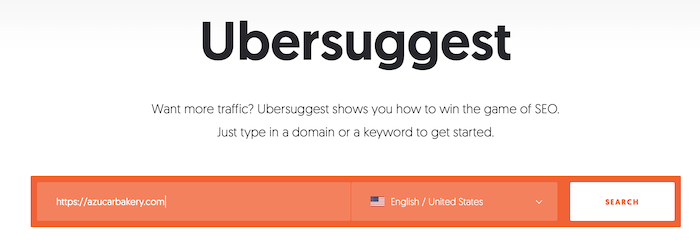
Use Ubersuggest to help with local link building.

From the main screen, go to the left-hand column, scroll down to Backlinks, and click “Backlinks Overview”:
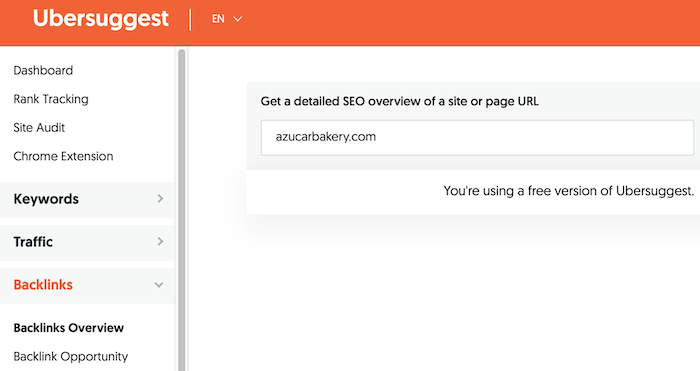
Use Ubersuggest to help with local link building.

Enter the domain name again and hit “Search” to load the results:

Use Ubersuggest to help with local link building.

On the next screen, scroll down to the “Backlinks” results. You’ll see a list of the domains that link back to Azucar Bakery:
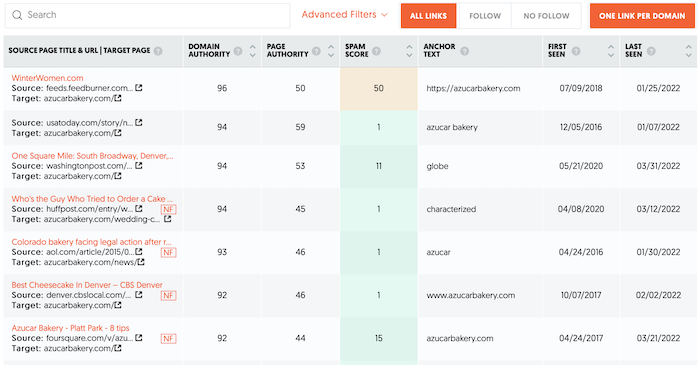
Use Ubersuggest to help with local link building.

Once you know the type of websites linking to your competitors, you can target them yourself.

How you use these backlinks depends on your marketing strategy and business goals; in this case, you might make sure you’re listed on Foursquare and also target websites for product reviews.

6. Find Unlinked Mentions of Your Brand and Ask for Links

Unlinked brand mentions can present golden opportunities to secure backlinks from high-quality, authoritative websites.

For one thing, it’s easier to send outreach emails to the relevant contact if they already know your brand.

If they’re discussing your products or services, then it’s reasonable to think you might ask for a backlink, right?

There’s no need to pursue every brand reference, though, especially if it’s on a low-quality website that won’t boost your rankings—so here’s how you might find backlinks worth pursuing.

First, scan the internet for unlinked brand mentions. You can do this by using a tool such as BrandMentions:
Screenshot of BrandMentions, a local link building tool.

Then, identify the relevant contact to send an outreach email. The contact could be the website owner or someone from the marketing department. You can usually find these details using tools like LinkedIn or social media such as Twitter.

Finally, send your outreach email. Compliment their company, and thank them for mentioning your brand. Politely explain why adding a backlink could benefit their company and consider offering them a link in return.

Don’t neglect those unlinked brand mentions. Instead, seek them out, build relationships with other website owners, and convert them into useful backlinks.

7. Work To Get Mentioned By Local Publications and Bloggers

While PR campaigns are a good idea, you should also look to get noticed more organically by local publications and bloggers. You don’t want every mention of your website to be linked to an event or publicity stunt. Instead, focus on building real connections with local bloggers.

You can also request to have your website added to local business roundups that may already exist on their blogs. These types of posts tend to be published and then not updated for years.

So seek out local round-ups that were published, but not updated, within the last 6 months or more and reach out. You really want to sell your website as a beneficial addition for readers, so don’t be modest.

Are you hesitant to reach out?

Remember that local publishers and content creators are always looking to network with, you guessed it, local businesses.

Just reach out with the intention of benefiting both of your interests and the reception is likely to be positive.

8. Purchase Domains In Your Industry

Did you know that a whopping 70 percent of domains are not renewed after the first year?

That’s a lot of opportunity for local businesses, like yours, to swoop in and buy relevant domain names in your industry.

You can purchase more than the domains, too. You can purchase the website outright from the owner. This is sometimes referred to as a domain name transfer agreement, or a website asset transfer agreement.

What’s the difference?

When you buy a lapsed domain from a host like GoDaddy, the domain name can then be used by you to set up a new website. You can also set it up as a redirect to your established website.

When you buy a website from the owner, you typically purchase the domain as well as all content that currently exists on it.

While the price tag for a complete website takeover may be daunting, just consider the time and money you spend by inheriting all of this worthwhile content. Not to mention, you retain the domain authority and the content retains its publication date, which lends more credibility to the site.

So where do you start?

If you have a domain in mind, head over to Whois.com and enter the domain in the top right search bar:

Screenshot of Whois website's.

You can usually find the contact information for the owner via the records that come up. That is, unless, the domain information is protected, like this:
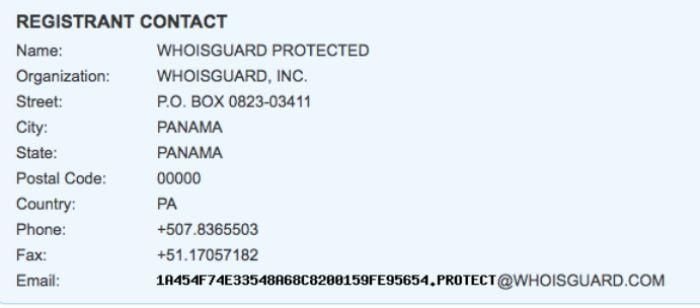
Use Whois.com to help with local link building.

In that case, find a contact form on the website and reach out. It never hurts to ask!

9. Don’t Forget About Internal Links

Internal linking should be a part of your content strategy already. After all, it’s an opportunity to serve up more relevant content to your readers.

The longer time spent on your website, the more engagement.

Internal linking can also be a good strategy for local link building. How so?

Your website is considered local content. So, while internal links won’t count as backlinks, they will still count as local links to your content.

The benefits of internal linking don’t stop there.

Internal links help Google to understand the structure of your website, including the relationship between pages and their relevance. By linking to posts internally, you’re ensuring Google can find and rank all relevant content. This will serve you well when it comes to ranking for local search results.

Take this example from our blog post on prioritizing SEO:
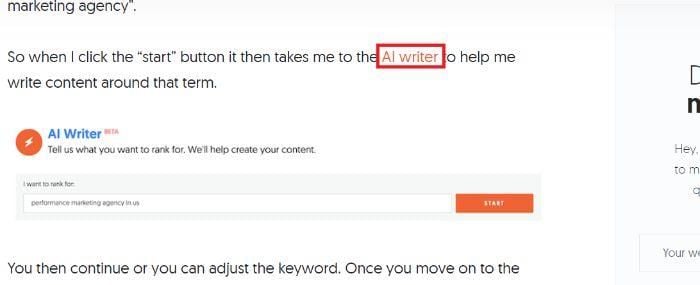
Screenshot of an AI writer to help with local link building.

The phrase “AI writer” is hyperlinked to our blog post on, you guessed it, the Ubersuggest AI writer feature. This lets Google know that we think that article is 1) related to this topic; and 2) important enough to highlight.

Internal links can also help you to establish value for a new blog post without significant work. You’re essentially lending value from one (or more) blog posts to another. This is known as the “flow of link value.”

So, while internal links shouldn’t be your first line effort for link building for local SEO, they should be included in your overall strategy.

Link Building for Local SEO Frequently Asked Questions

How important are links for local SEO?

Links are hugely important for local SEO because they help to boost your local search ranking. With a higher ranking, you’re more visible in search results, and customers are more likely to visit your page.

Should I use an agency for help with my local SEO link building strategy?

You might find a digital marketing agency partnership helpful if you lack the time or resources to dedicate to marketing, but it’s absolutely possible to create your own strategy by following the tips I’ve outlined above.

How can I get reviewed by local publications to get backlinks for my business?

Link building for local SEO means liaising with local businesses. You could contact local publications directly, host an event and invite their representatives, sponsor a contest, or even reach out to and sponsor local influencers. It all depends on your marketing budget and what’s most likely to appeal to your target audience.

Is a blog a good way to build local SEO backlinks?

Yes! Blogging is a great way to build links naturally in the long term, so prioritize writing useful, engaging content on a regular basis. Don’t forget to optimize your articles for local keywords.

Conclusion

Local link building is a great way to improve your SEO, boost search engine visibility, and draw relevant traffic to your website.

You won’t see results overnight, no, but you should consider link building as a key part of your longer-term marketing strategy.

While you don’t need to try all the tips I’ve suggested, start with the strategies that make the most sense for your business and, in the meantime, focus on producing regular, high-quality blog content to build your brand’s trustworthiness.

If you need any extra help with link building for local SEO, check out my consulting services to see how I can help you boost your local rankings.

Have you tried any of these local link building strategies? How are they working out for you? Let me know below!


from Neil Patel https://ift.tt/hHB5vOV
via IFTTT

Thursday, 3 November 2022

What Is the Difference Between Copywriting vs Content Writing?

Graphic that says, "What is the difference between copywriting vs content writing?"

Have you been using these two interchangeably? You’re doing your business a disservice.

Copywriting and content writing are two very different skill sets, but both are essential for a successful marketing strategy.

Copywriters are responsible for creating effective copy—the text on your website that converts browsers into buyers. These are the words you see in digital ads, billboards, emails, and more.

Content writers, on the other hand, create valuable content that engages and informs your audience. Long and short form blogs, ebooks, and whitepapers are often written by content writers.

So what is the difference between copywriting and content writing? Let’s take a closer look.

The Basics on Copywriting vs. Content Writing

Understanding the basics of copywriting vs. content writing is the first step in determining which will best fit your business needs.

Copywriting is all about persuasion. Copywriters are experts at using words to get people to take a desired action—whether that’s purchasing an item, signing up for an email list, or downloading an ebook.

Copywriting is often written in shorter form, making more of an impact in fewer words. Additionally, copywriting often has a shorter life , being used for a specific campaign or goal.

A Yeti graphic that says, "Imagine a cooler as frosty as your ex-wife. With a mouth that seals."
https://petewinecke.space/yeti

This ad from Yeti is an example of copywriting. It’s short, succinct, and has a strong message that speaks directly to its target audience.

Content writing is more about education and building relationships. Content writers produce content to help readers better understand a topic, solve a problem, or make a decision.

Content writing is most often in blog form, meaning it’s at least 500 words, with the ideal length ranging from 2,100 to 2,400 words. It has a longer life, often finding a permanent home on the blog or resource page of a website.

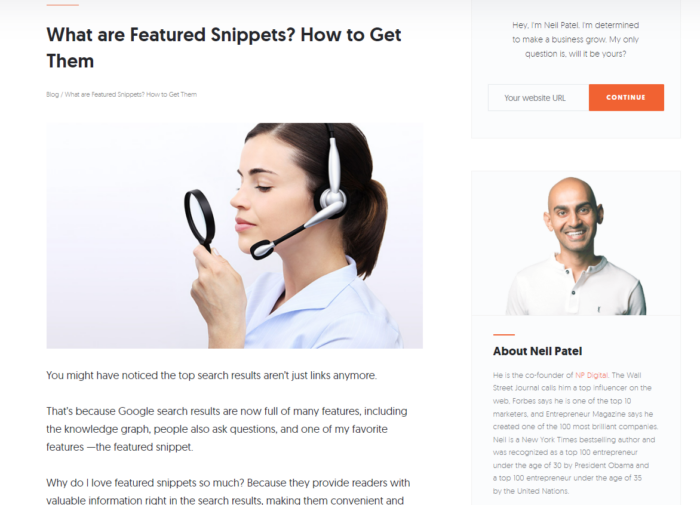
A screenshot from Neil Patel's blog showing an example of copywriting vs. content writing.

The above example is one of my posts from the Neil Patel blog. This is one of the most recognized forms of content writing, with 7.5 million blog posts published every day. This particular piece was written to help marketers understand how Google’s Featured Snippets work and the best ways to rank for them.

When you think of content writing and copywriting, what images come to mind? We often remember copywriting because of its use in ads and content writing when we’ve learned something from an article.

The goals of these two types of writing differ quite a bit, often changing the intent of the words. The copywriter’s ultimate goal is to get the reader to take action, while the content writer’s goal is to build trust and credibility with the reader.

Which is Better for Your Business: Copywriting or Content Writing?

The answer to this question depends on your business goals.

If you want to increase sales or get more leads, copywriting is the way to go. If you want to build relationships with your audience and establish yourself as a thought leader in your industry, then content writing is the better option.

Both copywriting and content writing are important for a successful marketing strategy. Don’t worry, we’ll dive into that later in the article.

Great writing is the foundation of both copywriting and content writing. The key is to figure out which one will help you achieve your specific business goals.

The Skills Behind Content Writing vs Copywriting

The skills required for copywriting and content writing are quite different.

Copywriters need to be experts at persuasion, sales, and marketing. They need to understand human psychology and be able to use words to influence reader emotions and drive them to take action. Learn more about how to write compelling copy with my guide to copywriting.

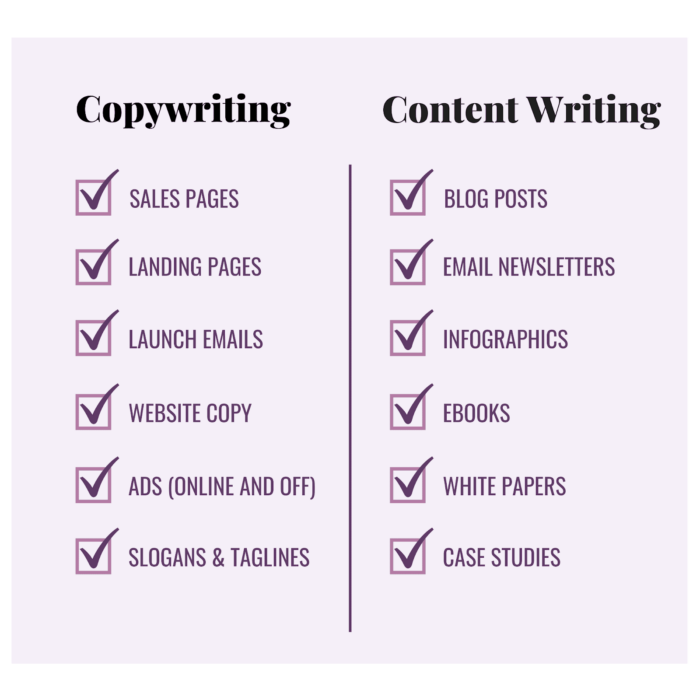
Some of the common types of writing copywriters create include:

  • SEO copy
  • Ad copy
  • Email campaigns
  • Landing page copy
  • Web page copy
  • Video scripts
  • Billboards
  • Direct mailers
  • Social media
A graphic showing the differences between copywriting vs. content writing.

Content writers need to be able to write well and do extensive research. They also need to be experts at creating content that is valuable and informative without being too salesy.

Some of the common types of writing content writers create include:

  • Articles
  • Blog posts
  • Press releases
  • White papers
  • Newsletters
  • Podcasts
  • Print magazines
  • Ebooks

Understanding the difference between copywriting and content writing and how they address your specific business goals will ultimately help you become a more productive writer, as well as work alongside your writing teams. You’ll be able to determine what types of assets you’re in need of and create a more effective and efficient writing process.

Integrating Copywriting and Content Writing for Marketing

The best marketing strategies use both copywriting and content writing.

Copywriting is great for getting people to take action, but it can’t be used all the time. If you only use copywriting, you’ll quickly lose credibility with your audience. All they will think you are concerned about is selling things to them. This is where content writing comes in.

Content writing provides value and builds relationships with your audience. It helps you establish trust and credibility so that when you do use copywriting, people are more likely to take the desired action.

Whether you’re seeking an internet sensation with viral content or an increase in your lead conversions on your website, using copywriting and content writing together in your marketing strategy will help you achieve the best results.

For example, you can create an awesome blog post—which is content writing—that you want to share out to the world. To get the word out, you need to craft some clever social media captions—which is copywriting—to get readers interested in clicking. Combining both styles of writing will help you achieve your ultimate goal of getting more visitors on the website.

Be sure to always offer value in your content. Don’t post just to post. Nobody enjoys garbage content.

How to Find Writing Talent for Your Business

If you’re looking to add copywriting or content writing to your marketing strategy, there are a few ways to find talent.

One way is to post a job on a freelancer platform like Upwork.

When posting your job, be sure to include:

– The type of writing you need (copywriting or content writing)

– A detailed job description

– Your budget

You can also use a networking platform like LinkedIn to spread the word of your content needs. If you have connections in your industry, reach out and see if they know anyone who might be a good fit.

You can also contact a content marketing agency that specializes in copywriting and content writing. This is a great option if you need help with both copywriting and content writing but don’t have the time or resources to do it all yourself.

While you may be able to write some content yourself, writer’s block is no joke, and can act as a huge hurdle for your production, so finding talent is key. No matter which route you choose, be sure to take the time to find a writer who is a good fit for your business and your marketing goals.

FAQs

What does a copywriter do?

A copywriter is a person who writes copy, or content, for marketing purposes. Copywriters are responsible for creating ad campaigns, writing website content, and coming up with concepts for email marketing or other types of marketing collateral.

What does a content writer do?

A content writer is a person who writes content for the purpose of providing value to readers. Content writers are responsible for creating blog posts, eBooks, white papers, or other types of content that educate and inform their audience.

What’s the difference between copywriting and content writing?

The main difference between copywriting and content writing is the purpose of the content. Copywriting is written to persuade or sell, while content writing is written to educate or build relationships.

What’s the best way to use copywriting and content writing together?

The best way to use copywriting and content writing together is to use copywriting sparingly. Use it for your call-to-actions or other times when you need to get people to take action. Use content writing the majority of the time to provide value and build relationships with your audience.

Can you be a freelance copywriter?

Yes, you can be a freelance copywriter. Many copywriters are self-employed and work with different businesses on a project-by-project basis.

Can you be a freelance content writer?

Yes, you can be a freelance content writer. Similar to copywriters, many content writers are self-employed and work on a project-by-project basis as well.

What is an SEO content writer?

An SEO content writer is a type of content writer who specializes in creating content that is optimized for search engines. This includes using the right keywords and phrases, as well as following other SEO best practices.

Conclusion

Copywriting and content writing are two different types of writing that serve different purposes.

One is not better than the other. They are simply used for different reasons.

Copywriting is written to persuade or sell, while content writing is written to educate or build relationships. Both copywriting and content writing can be used to achieve your marketing goals, but it’s important to use them sparingly and strategically.
When in doubt, always err on the side of content writing to provide value and build relationships with your audience. And, if you need help, don’t hesitate to reach out to a content marketing expert or agency that specializes in copywriting and content writing.

How do you use copywriting and content writing in your business?


from Neil Patel https://ift.tt/3jhPcfr
via IFTTT

Wednesday, 2 November 2022

Referring Domains vs Backlinks: What’s the Difference?

Graphic that says, "Referring domains vs backlinks: what's the difference?"

Are you not sure about the difference between referring domains and backlinks? Then you’ve come to the right place.

Referring domains and backlinks can be a complex topic, but understanding the difference between them can help you create smarter SEO strategies and improve your website’s presence on Google.

In this article, I will:

  • Define backlinks
  • Define referring domains
  • Explain the differences between referring domains vs backlinks
  • Show you how both impact your SEO
  • Provide best practices for building more referring domains and backlinks

If you’re ready to get clarity on referring domains vs backlinks, then let’s begin.

Why Do People Think Referring Domains and Backlinks Are the Same?

It’s no surprise that many confuse referring domains and backlinks, with many thinking they are exactly the same thing. The difference in definitions between a backlink and a referring domain is slight, and you have to have a good grasp of SEO and the internet in general to understand the difference.

Let me try to explain by providing you with both definitions.

What Is a Backlink?

A backlink is simply a hyperlink between websites. They can also be known as inbound links.

A backlink can come in various forms. Typically links are embedded into text, and the words that contain the link are known as anchor text. But they can also be embedded in images, buttons, infographics, and many other ways.

Backlinks are the primary way website crawlers like Googlebot use to move around the web. They use backlinks to move from page to page and use the anchor text to understand what each new page is about. That’s why anchor text is important for SEO.

There’s no limit to the number of backlinks you can receive, and you can get multiple backlinks from the same site. For example, when one webpage links to another web page, you’ve got a single backlink. If that website links to ten pages on your website, you’ve got ten backlinks.

Only some kinds of links are backlinks, however. Links between pages on your own site are called internal links. Here’s an example:

An example of an internal link and a baclink

The image above shows two links from my blog post on growing a team of influencers. The first is an internal link to another page on my website. The second is a backlink to Business Wire.

What Is a Referring Domain?

A referring domain is a website that links to your website. While backlinks describe the relationship between pages, referring domains describe the relationship between entire websites.

To clarify, if a website links from one of its pages to your page, that link is a backlink, and that website becomes a referring domain. So, in the example above, my blog has become a referring domain for Business Wire.

Referring domains are also counted differently from backlinks. While a website can give you thousands of backlinks, it can only be counted as a single referring domain. It’s why you’ll see websites with millions of backlinks but only a few thousand referring domains.

Why Are These Differences Important?

You can’t create a great SEO campaign if you don’t understand the difference between backlinks and referring domains — even if you understand how important backlinks are for SEO.

Here’s the main problem; increasing backlinks won’t significantly impact your SEO if you aren’t also increasing the number of referring domains. Getting one site to link to you 100 times isn’t half as powerful as getting 100 different sites to link to you once.

Your goal, therefore, should not be to get as many backlinks as possible, but to get as many referring domains as possible.

You also need to understand the relationship between referring domains and backlinks to run a backlink audit. You may see loads of links and think your backlink profile is great. But if you have a very high backlink to referring domain ratio, your link profile is very weak. In some cases, Google may penalize you for this kind of profile because it suggests shady link-building tactics like a paid linking scheme or a private blog network.

Referring Domains vs Backlinks: How Do They Impact SEO?

Backlinks and referring domains are both important to your site’s SEO efforts.

Backlinks act as a vote of confidence for your website. The more backlinks (votes) you have from trusted sources, the higher Google will rate your website.

But not all backlinks are created equal. Some are considered more authoritative than others and carry more weight.

Several factors determine the authority of a backlink. One is the relevance of the web page providing the link. A backlink from a page on the same topic as your website is much more valuable than a link from a page covering something irrelevant.

A second is the anchor text of the link. Because search engines use this text to determine what a page will be about, it helps if the link includes descriptive anchor text rather than a phrase like “click here.” Including a keyword in the anchor text of a link can be particularly powerful, but it’s easy to over-optimize links and be penalized by Google.

The authority of the website giving the backlink is also important. A backlink from a website that Google considers very authoritative, like The Washington Post, for instance, will carry more weight than a brand new website.

Low authority backlinks aren’t worthless, though, and they certainly won’t hurt your site’s ranking.

Referring domains also act as votes of confidence and can impact how authoritative each backlink is. Like backlinks, some referring domains are better than others. The metrics for measuring the quality of a referring domain are largely the same as they are for measuring the quality of backlinks, too.

Referring domains are higher quality if they are relevant to your website and are considered trusted authorities by search engines.

If you’re unsure about the quality of a referring domain, you can use Ubersuggest to see its domain rating.

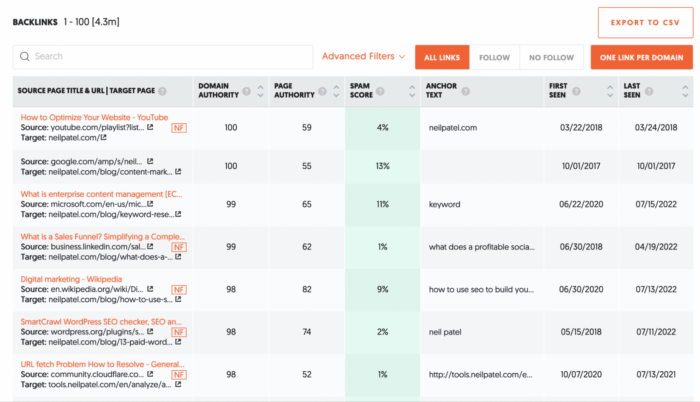
Screenshot of Ubersuggest to check the quality of a referring domain link.

Ubersuggest shows the Domain Authority of each backlink your site has. It also shows the Page Authority of the specific page linking to your site, too.

How to Check Backlinks and Referring Domains

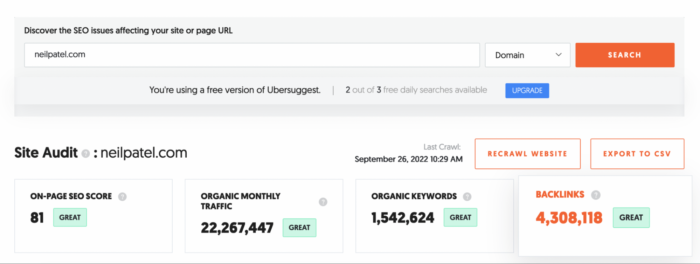
It’s easy to check your site’s referring domains and backlinks with a backlink checker like Ubersuggest. Simply visit the “Backlinks” tab of the tool and enter the URL of the domain you want to analyze. Hit search, and you will see how many backlinks and referring domains that site has, as well as a rating for each metric.

Referring domains vs backlinks on Ubersuggest.

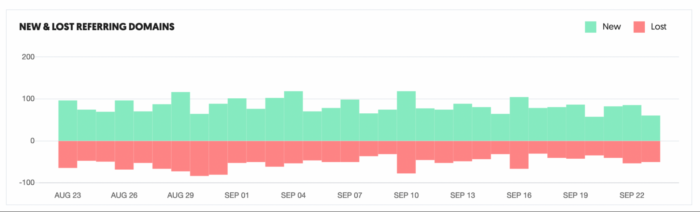
Scroll further down the page to see how many referring domains your site has won and lost.

Screenshot of new and lost referring domains on Ubersuggest.

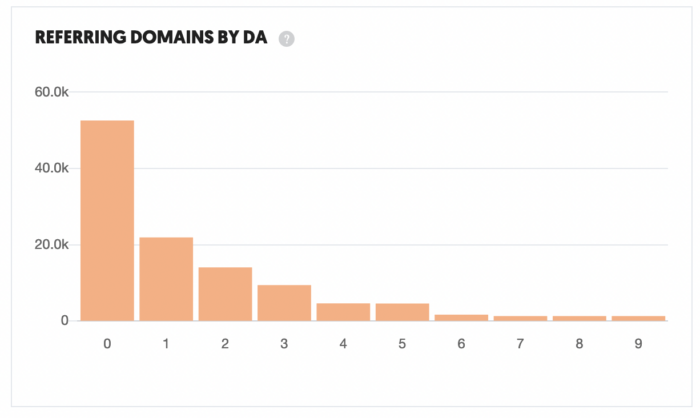
And the range of domain authorities of your referring domains.

See your site's referring domains measured by page authority.

At the bottom of the page, you’ll see a complete list of your backlinks.

While scrolling through this list, you may see spammy-looking backlinks you don’t want.

If that’s the case, you can use Google’s Disavow Tool to remove these links from your site.

Best Practices For Building Referring Domains and Backlinks

Want to get more backlinks and referring domains? Here are three strategies you can use.

Create Great Content

Creating amazing content is one of the best ways to generate new high-quality backlinks and referring domains over time. Other sites will naturally link to your website if it offers their readers heaps of value, helps them to explain a complex topic, or provides a useful data point to support their argument.

With that in mind, there are certain types of content I recommend creating to generate backlinks:

  • Studies and surveys that generate insights and statistics
  • Seriously in-depth guides and how-to posts
  • Thought leadership pieces, particularly those that present a different view
  • Round-up posts
  • Infographics

Whatever type of content you create, don’t forget that quality is key. It must be demonstrably better than the existing content on the first page of Google if you want to attract links.

Guest Post on Other Sites

You don’t have to wait for websites to organically link to your site to increase backlinks and referring domains. Guest posting on other websites is a great way to build backlinks and increase referring domains yourself.

When you write a guest post, you will usually have the opportunity to include a link or two to your website in the main copy of your blog post. If not, you will almost certainly be able to link to your website in your author bio.

Writing guest posts starts with finding high-quality sites that accept them. There are a couple of ways to do this. One is to look at your competitors’ backlink profiles and find sites where they have guest posted in the past.


Another is to use Google search parameters to manually find websites that accept guest posts in your niche. For example, if I want to find guest posts for my site, I’d search for something like this on Google:

intitle:”guest post” digital marketing

Google would show me all of the websites about digital marketing that have the phrase “guest post” in their page title.

Manually Reach Out to Other Websites

You can also reach out to any website and request a backlink. This strategy works best when combined with high-quality content.

For example, you can use the skyscraper technique to create an awesome piece of content and then reach out to any website that links to a competing but inferior article.

If your new article offers enough value, many site owners will link to your article, too.

You’ll need to analyze your competitors’ backlink profiles to have a full understanding of the general landscape in your industry and what we need to compete.

Frequently Asked Questions

Are backlinks and referring domains the same?

No, they are not. Backlinks are the hyperlinks that point to your web pages from another web page. A referring domain is a website that links to your site. A single website can give you lots of backlinks, but it only counts as one referring domain.

What does referring domain mean in SEO?

A referring domain is a website that links to your site. The more high-quality referring domains your site has, the better its link profile and the higher it should rank in Google.

Are backlinks referrals?

A backlink will refer traffic and authority to your website, but it is not a referring domain. The website doing the linking is the referrer.

How do I get more referring domains to increase SEO ranking?

Creating high-quality linkable content, guest posting, and manual outreach are all great strategies for generating more referring domains to increase your SEO ranking.

How do you find referring domains?

One of the best ways to find potential referring domains is to look at your competitors’ backlink profiles. A tool like Ubersuggest will show you all referring domains, allowing you to contact these sites for a backlink.

Conclusion

Hopefully, you now understand the difference between referring domains vs backlinks. But just to recap: backlinks are the name for links your website receives from other sites. Referring domains are the individual websites that do the linking. You can have many backlinks from a single site, but it only counts as one referring domain.

Increasing both your site’s backlinks and referring domains is key to improving your rankings. So, next, find out how to get backlinks for a new site and then learn about building quality backlinks in a scalable way.

What does your backlink profile say about your website?


from Neil Patel https://ift.tt/UNfbR3I
via IFTTT

Tuesday, 1 November 2022

Ubersuggest & AnswerThePublic: Up Your SEO Game

Graphic saying Ubersuggest and Answer The Public: Up Your SEO Game

Search listening is going to get you ahead in the SEO game.

Hear me out.

Google averages 3.5 billion searches a day. Of those searches, 16 to 20% have never been seen before.

Each search is like an opportunity to pick a customer’s brain. What they think about your brand, offerings, and industry—it’s all calculated in real time. If you lean in to hear what they have to say, you’ll get thorough answers.

But don’t believe it because I said it.

Believe it because when someone has a question or thought, and a person tells them to “just Google it,” Google’s exactly where they go.

By listening to search engines like Google, AnswerThePublic generates every helpful phrase and query people are asking related to your keyword research.

This tool offers a goldmine of customer insight to create game-changing, useful content.

You know—the good stuff. The stuff your customers actually want to see.

So, today I am going to show you how to use AnswerThePublic.

Pairing this keyword ideation tool with Ubersuggest will kick your SEO strategy into fifth gear.

What is AnswerThePublic?

AnswerThePublic is a keyword ideation tool.

As the name suggests, you can use these keywords to create content that answers the questions people are asking search engines.

Not only is it super easy to use, but it reveals search topics you probably weren’t thinking of.

Say you compete in the speakers and headphones market. Off the top of your head, you wouldn’t be able to guess what everyone wants to know about speakers and headphones.

If you pop “earbuds” into AnswerThePublic, you’ll eliminate the guesswork and see exactly what related terms and queries people are searching.

The results tell you what type of content to create based on the questions your audience is asking.

You gain your audience’s trust by providing answers to the questions they’re asking. They’ll know you want to keep them informed and depend on you as a reliable source.

This is how you can get them to know your brand and offerings through AnswerThePublic.

Let’s dive into how to use AnswerThePublic so you can uncover untapped keyword ideas and topics in your niche.

How to Use AnswerThePublic: An Example

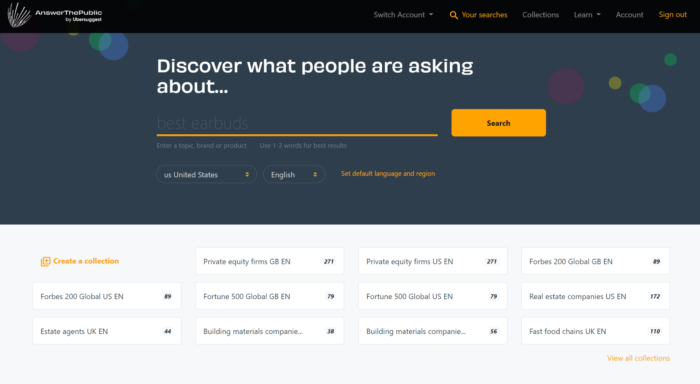
Let’s head to AnswerThePublic.

A screenshot of AnswerThePublic's webpage.

The first step is to enter the keyword for your research.

Remember the earbuds example? Let’s stick with that.

I’ll enter “best earbuds.”

Screenshot of AnswerThePublic's search bar.

The next step is to choose your location and language from the options provided. Then hit the search button.

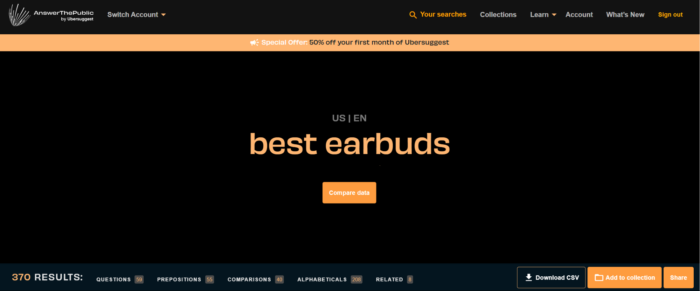
Of the 370 results found, you can analyze them by category or download them.

Remember, you won’t have to use all the search results AnswerThePublic generates. Focus on the results you know you and your team can execute well.

A screenshot that says, "best earbuds," on AnswerThePublic's website.

Sharing these results with your team makes for a healthy brainstorming session.

The report divides the 370 results into five categories:

  • Questions
  • Prepositions
  • Comparisons
  • Alphabetical
  • Related
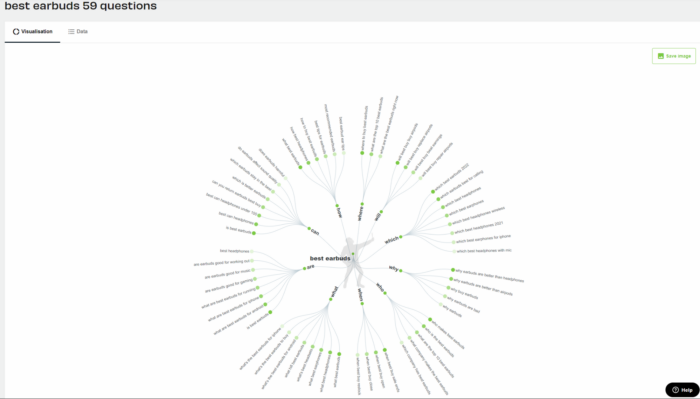
A screenshot of AnswerThePublic's webpage showcasing a word tree with 59 questions people ask when they type "best earbuds."

The report’s “Questions” section has the following subcategories: what, how, can, when, who, why, which, will, where, and are.

You’ll notice there are many differences between the questions people are asking.

No matter the keyword variations they’re typing in, the public’s aim is clear: Solve this problem for us.

You get to be their solution.

Give your readers a sense of your expertise and speak to their issues by addressing their queries in your blog posts.

You’ll build brand credibility by answering the questions on their mind.

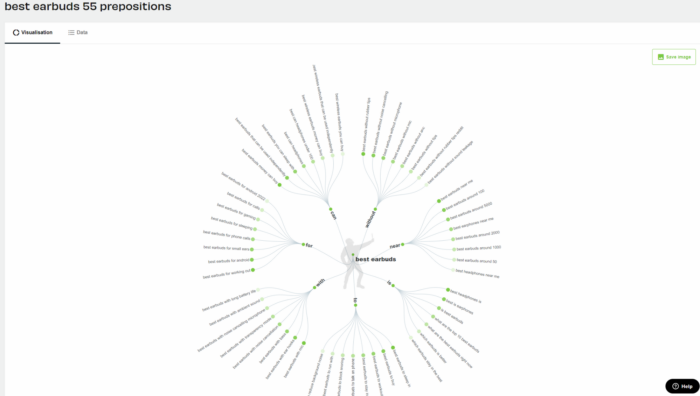
A screenshot of AnswerThePublic's webpage showcasing a word tree with 55 prepositions people search when they type "best earbuds."

As with “Questions,” AnswerThePublic splits “Prepositions” into these subcategories: for, can, with, without, near, to, and is.

These will come in handy to store in your long-tail keyword files.

With the search I did, there are at least 55 opportunities to rank for keywords related to “best earbuds.”

Use these ideas to create content that boosts your domain authority.

After a quick review, you’ll know which ones you want to start with. You can save others that’ll require more research for later.

Now, you can get your content batched out with room to pivot as new things hit the market.

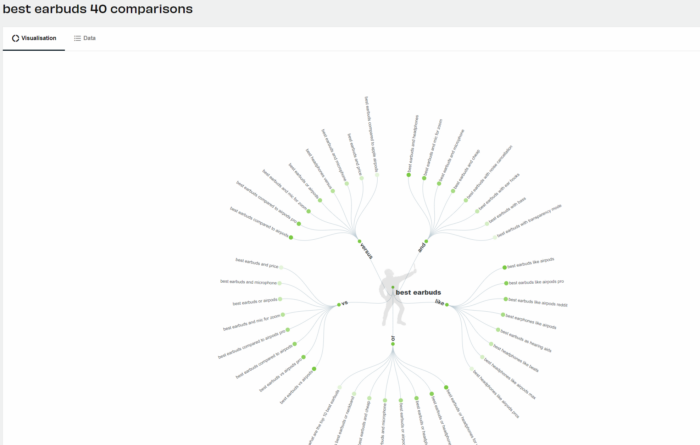
A screenshot of AnswerThePublic's webpage showcasing a word tree with 40 comparisons people draw when they type "best earbuds."

The “Comparison” suggestions get really niche specific with sub-categories of versus/vs, and, like, and or.

These will help you stand out among competitors.

It’s likely no one has answered these for your target market, so now you can.

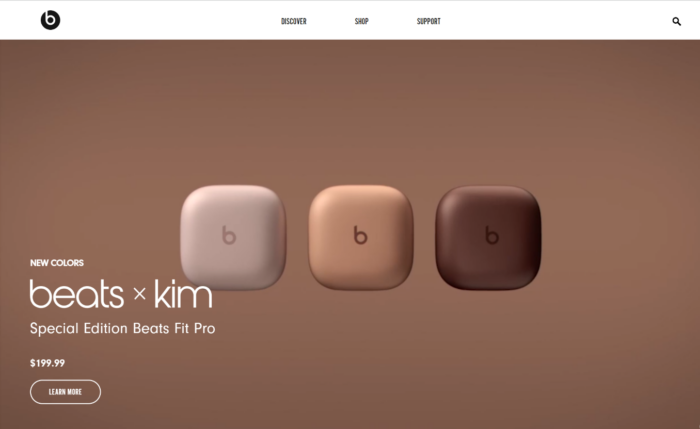
For example, you can bring a unique perspective to “best earbuds that match my skin tone.”

Position yourself as the best for these products by publishing persuasive content.

To give you a visual, Beats by Dre recently collaborated with Kim Kardashian to create earbuds that match your skin tone.

A screenshot of Beats by Dre's webpage showcasing a product collaboration with Kim Kardashian.

No one else has done this on the speaker and headphones market. Plus, it gives a discrete look that feels ultra-stylish. That is how the brand set itself apart and roped in a big-time celebrity who aligns with fashion.

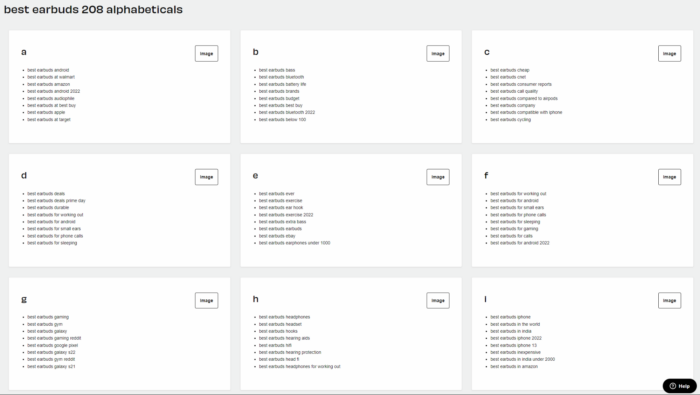
A screenshot of AnswerThePublic's webpage showcasing an alphabetical list of results.

The “Alphabetical” lists offer added informational value for your audience.

You can keep these safe in your notes. From the lists, you pick the ones you know can deliver serious ROI.

As you know, SEO will be your best friend to get in front of this audience. Making a list of 10 or more keywords helps you quickly decide what your content should center around.

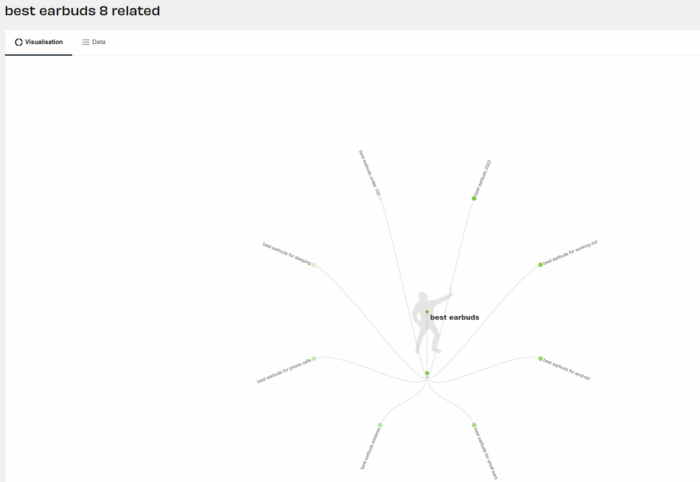
A screenshot of AnswerThePublic's webpage showcasing a word tree with 8 related keywords when people type "best earbuds."

All other related keywords will drive readers to your content—content that speaks specifically to them. These are the individuals who are far along in the buying process or prepared to convert.

Since the potential buyer has probably ruled out several possibilities, it’s now up to you to win them over with content that is educational and convincing.

That’s how AnswerThePublic works.

Now, let’s look at how to turn all that AnswerThePublic data into success with my tool Ubersuggest.

Incorporating AnswerThePublic With Ubersuggest

Now that you’ve got the hang of AnswerThePublic, let’s fuse it with Ubersuggest.

These two tools give you a massive amount of useful data.

How do you want to use this data?

Maybe you’re stumped coming up with a new YouTube idea.

I can help you there.

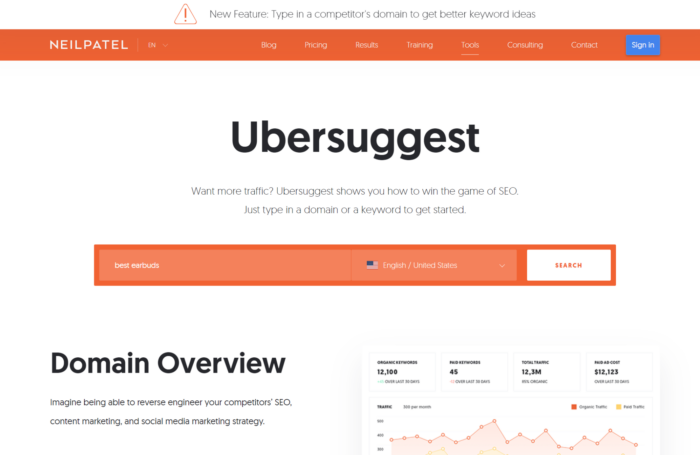
Using the same method we used in AnswerThePublic, plug “best earbuds” into Ubersuggest.

A screenshot of Ubersuggest's webpage.
A screenshot of Ubersuggest's webpage with "best earbuds" in the search bar.

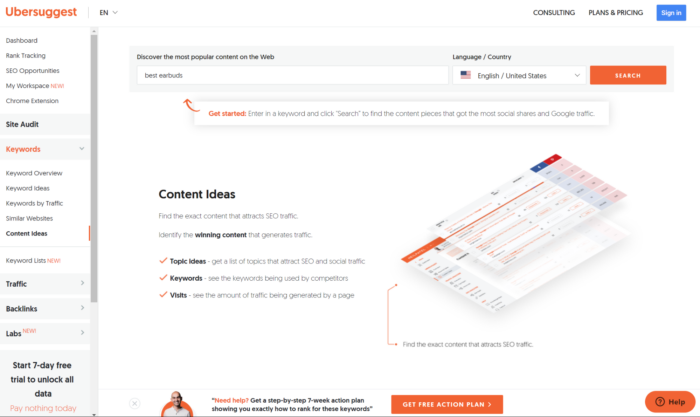
Using the dashboard, let’s get some content ideas flowing under “Keywords” and zooming into the results under “Content Ideas.”

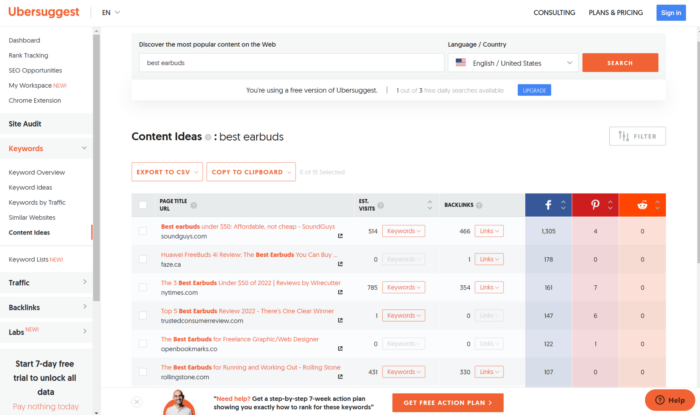
A screenshot of Ubersuggest's webpage showcasing content ideas for the keyword "best earbuds."

Now, based on the search results in Ubersuggest, we can take our results from AnswerThePublic and combine the findings.

From the high-ranking content we found with Ubersuggest and the mix of search results from AnswerThePublic, we learn two things:

  1. Your audience is looking for the best earbuds under “X” price point.
  2. Which brand(s) make the best earbuds on the market.

I think the best results from the AnswerThePublic findings will come from the “Questions” results. Pair them with the results from Ubersuggest to inform your audience.

You can combine the keyword topics and form them into a thought-provoking question you can answer with your YouTube video.

For example, “What Are the Top Best Earbuds Right Now Under $100?” is attention-grabbing.

The best part is that your audience created this question.

We take the public’s concern about affordability and address it through a visual that helps them confidently choose the best product.

Visual content is trendy right now, so communicating with your audience via YouTube is a great way to connect.

The plus to video content is that you can chop it into smaller segments and use it as short-form video content on other social channels.

Content that is informative and gets you in front of your audience is what you want.

After all, you are the subject matter expert in this industry, right?

If not, following my tips with these tools is definitely going to get you there.

Using Ubersuggest and AnswerThePublic to Build Your SEO Strategy

AnswerThePublic helps you get strategically creative.

Ubersuggest takes you on a deep dive into endless keyword data opportunities.

These two together are the secret formula to your SEO strategy.

The good thing about these platforms is that they’re simple and straightforward while packing loads of data (some data you didn’t even know you needed).

Delivering results is what makes these tools stand out.

How?

Just look at the data output.

Take the data and form your keyword clusters and content topics.

Then, set up a cadence to schedule your content.

It doesn’t end there.

Keep up with SEO trends and best practices.

This is how you’ll stay up to date on your content’s success.

What your audience is talking about is what the results show.

So, follow the yellow brick road of data each tool provides, and you’ll be great and powerful in the SERPs thanks to your content.

Conclusion

With AnswerThePublic, it’s as if you’re a fly on the wall in the search queries.

Your audience gives you the answers, so listen—and then give them what they want.

Using both Ubersuggest and AnswerThePublic for search listening will boost your SEO strategy.

These tools reveal unique keyword opportunities that help you quickly develop high-quality content.

Don’t just take my word for it.

Give them a try for yourself and reap the benefits.

What areas do you want to improve on search listening that AnswerThePublic can help with?


from Neil Patel https://ift.tt/TNjL1zi
via IFTTT