Friday, 10 June 2022

15 Market Research Tools That Will Help You Uncover Incredible Insights

15 Market Research Tools That Will Help You Uncover Incredible Insights

In a world of increasing competition, understanding your target market is vital.

Conducting thorough research of past, current, and prospective customers helps you uncover insights to improve your product or create more effective marketing messages.

Those insights don’t have to be hard-won, either. Thanks to new tools and data sources, businesses no longer have to rely on traditional methods like surveys and focus groups.

Ready to learn what your audience really wants? These are the 15 best market research tools to use.

Benefits of Leveraging Marketing Research

There’s a reason the global revenue of the market research industry has more than doubled since 2008 and is now valued in excess of $76.5 billion. It comes with a heap of benefits. Any business wanting to improve their product or launch a new marketing campaign will be at a significant disadvantage without it.

Market research keeps your target audience at the center of every decision. By understanding their needs and desires, you can tailor everything from your product to your marketing to your customer. In doing so, you’ll reduce the number of bad customer experiences—one or two of which are enough to make 66 percent of customers switch to a competitor.

Market research tools can also help you discover new business opportunities and threats. New markets become obvious when speaking to customers and understanding their behavior. So, too, do competitors and external threats that could threaten your business if you don’t act.

Ultimately, using market research will give you a huge competitive advantage. That’s because of the benefits above and because less than 40 percent of marketers are using consumer research to drive decisions.

How to Use Marketing Research Data in Your Marketing

You can leverage market research data in several ways, but using it to inform and optimize your marketing strategy, from campaign creation to execution, is one of the most powerful.

For instance, market research can ensure your new product launch goes off without a hitch. Almost half of all product launches are delayed, and 20 percent fail to meet targets. By understanding exactly what customers want, a successful product launch simply becomes a case of delivering it.

Market research can also help you focus your marketing efforts on areas where you have a competitive advantage. By understanding what customers are really searching for, you could identify untapped markets with very little competition in terms of paid ads or SEO. Focusing your efforts here, rather than on saturated verticals, will send your ROI soaring.

Finally, you can use market research data to optimize your marketing efforts after launch. Analyzing social media and other types of user engagement data can highlight how effective each message is so you can do more of what works and less of what doesn’t.

5 Best Free Marketing Research Tools

You don’t have to spend a dime to get the benefits of marketing research. There are plenty of free market research tools out there. I’ve highlighted five of my favorites below.

1. Google Trends
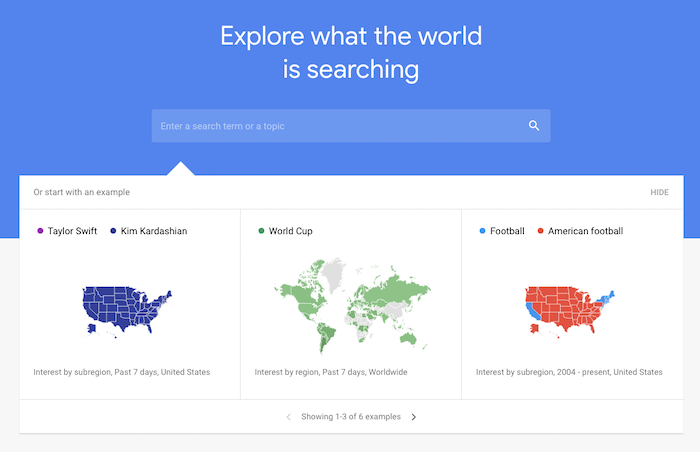
The Best Free Marketing Research Tools - Google Trends

Google Trends shows you what people are searching for on Google. It was introduced in 2006 and tracks the popularity of topics over time by location. You can see exactly how popular searches are for Taylor Swift in the U.S. this year. Or how searches for Brexit have declined in the U.K. since 2019.

At the time of writing, Google processes 102,000 searches every second. That’s 88 billion searches every day, making it the largest and most valuable search data source in existence. Google Trends gives you access to that data in a categorized and aggregated way.

Enter a trend and Google will show you how trendy that term is with a line graph and give you a score out of 100. You can also compare different terms.

Pros

  • easy to use
  • visually appealing
  • huge amount of data

Cons

  • doesn’t show the exact search volume
  • related topics aren’t always relevant

Price

Free.

2. Facebook Page Insights
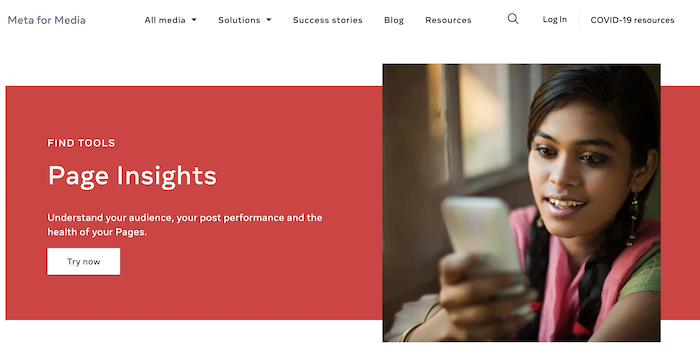
The Best Free Marketing Research Tools - Facebook Page Insights

Facebook Page Insights is a fantastic and free market research if you use Facebook to market your business. If you don’t use Facebook for marketing yet, you probably should. With 2.9 billion monthly active users, it’s one of the best social media platforms for marketing.

The tool provides insights into your audience, post performance, and the health of your pages. You can use the tool to see who likes your page and why, which posts get the most engagement, and learn how to increase the reach of your content.

If you’re struggling to get started, Facebook offers two courses: one on how to generate insights and make data-driven recommendations and one on how to make the most of marketing insights.

Pros

  • unparalleled insight into your Facebook audience
  • easy to use
  • courses available

Cons

  • limited to your Facebook pages
  • not as comprehensive as it once was

Price

Free.

3. Think With Google
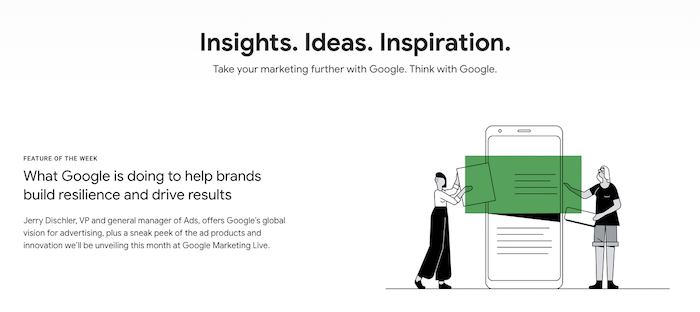
The Best Free Marketing Research Tools - ThinkWithGoogle

Think With Google is one of the search giant’s lesser-known tools, but that doesn’t make it any less powerful. It’s a free-to-use resource library of facts and figures based on Google’s own data and other research that can supercharge your marketing efforts.

If you want a broad understanding of what’s going on in the world, Think With Google is a great starting point. Search the platform, and you can uncover marketing trends, understand the latest consumer behavior and find the insights you need to drive your marketing strategy.

The site is split into four areas (Consumer Insights, Marketing Strategies, Future of Marketing, and Tools) which you can use to find the insights you’re looking for.

Pros

  • huge resource of statistics and studies
  • easy to use
  • great for marketing research

Cons

  • limited to marketing studies

Price

Free.

4. Living Facts
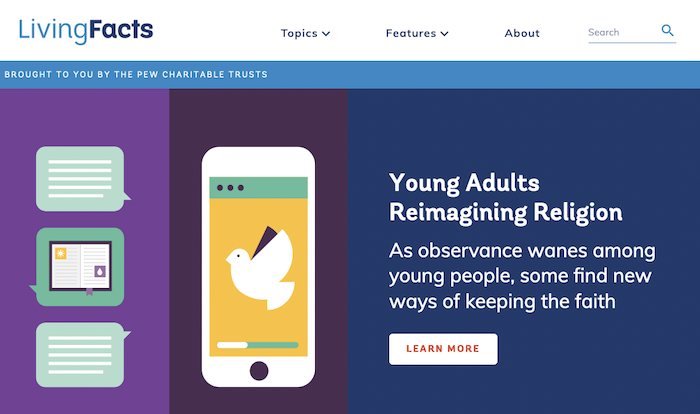
The Best Free Marketing Research Tools - Living Facts

As part of the Pew Research Center, LivingFacts provides a free overview of how Americans live today. It’s bursting with research, statistics, infographics, and videos that can help you understand the opinions of your U.S. customers on everything from religion and work to health and family.

The site gets its data from several sources, including the Pew Research Center’s American Trends Panel, the U.S. Census Bureau, and other reputable organizations. If that wasn’t reassuring enough, you should know the Pew Research Center has over 160 staff members and 11 different research teams. In other words, you can trust the data on LivingFacts.

Pros

  • great for understanding U.S. demographics
  • huge amount of free information
  • understand your target audience across multiple topics

Cons

  • limited to the U.S.
  • research can be too basic for some

Price

Free.

5. U.S. Census Bureau
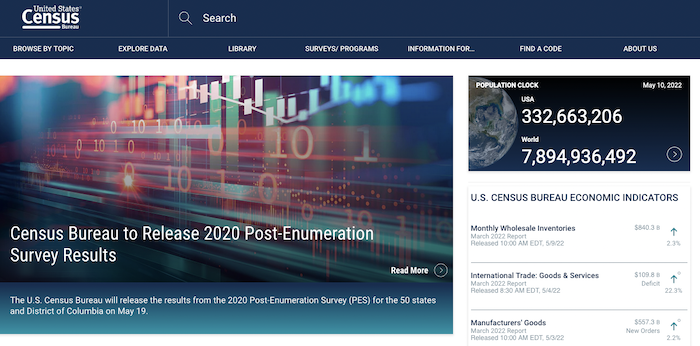
The Best Free Marketing Research Tools - US Census Bureau

The U.S. Census Bureau website lets you search U.S. census data for free. The Bureau of the Census conducts over 130 surveys a year (which are used to allocate billions of dollars in federal funds), making it an in-depth source of reliable data.

You can filter by several variables, including age, location, and income. It also provides visualization of some data sets. One interesting way to use this data set is to filter the results using your business’ NAICS code to see where and with whom your industry is most popular. This is a great way to discover new target markets.

Pros

  • one of the biggest demographic resources online
  • easy to search through reports

Cons

  • limited to the U.S.
  • older census reports can become outdated quickly

Price

Free.

10 Best Paid Marketing Research Tools

Free market research tools are a great way to dip your toes into the industry. However, there will always be limitations when you don’t pay for the data. If you’re serious about market research, you’re going to want to pay for premium access. These are the best paid market research tools to use.

1. SurveyMonkey
survey monkey best market research tools

So far, we’ve only discussed secondary data sources. If you want to collect your own market research data, polls and surveys are one of the best methods. SurveyMonkey is one of the best and most popular tools to use, with over 20 million questions answered using the platform each day.

The company’s enterprise-grade platform makes it easy to create, send out, and analyze surveys. Surveys can be sent via a link, email, social media, or embedded into a web page. You can browse through individual responses or use the tool’s custom reports and charts to visualize data.

Pros

  • easy to use
  • good template selection
  • great free plan

Cons

  • analytics could be improved
  • lack of customer support

Price

Basic plan is free. Standard plan costs $99 per month.

2. Statista
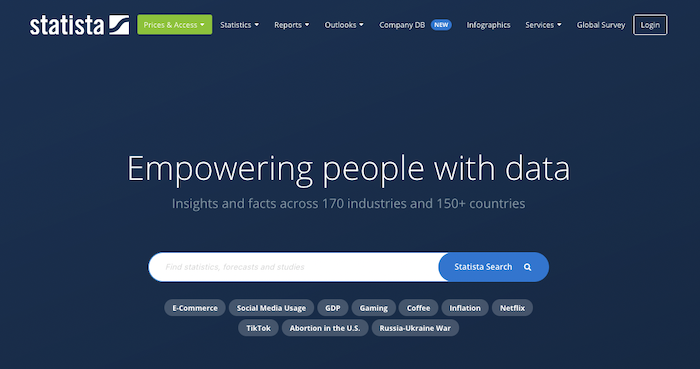
The Best Paid Marketing Research Tools - Statista

Statista is a hub of visual data, market research reports, and statistics. It collates data from several reputable sources, turning most of them into graphs and charts that are easy to digest. Because Statista’s data is continually updated, you can keep coming back to the same chart year after year to see how trends are changing.

The site has data on almost any topic you can imagine, making it a great way to discover consumer behavior and market trends, no matter your business.

Getting started with Statista is as easy as searching for a particular topic. The site’s search functionality is excellent and will return hundreds of reports and dashboards that you can use to influence or support your marketing efforts.

Pros

  • one of the best statistical resources online
  • great UX
  • easy to search for data

Cons

  • free plan is limited
  • visuals aren’t the best

Price

Basic account is free. Premium account costs $59 per month.

3. Typeform
The Best Paid Marketing Research Tools - Typeform

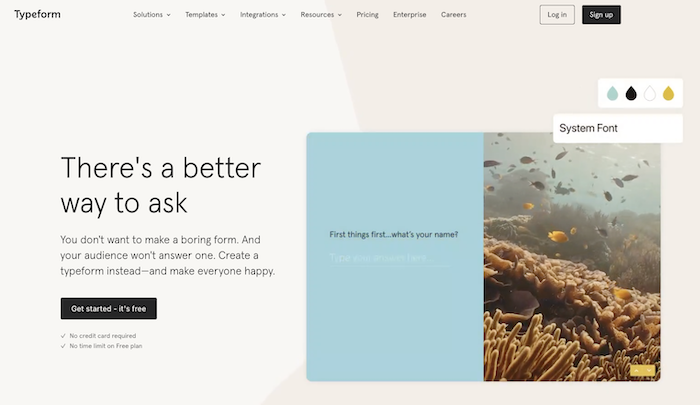
Typeform is another survey-based market research tool and an alternative to SurveyMonkey. It benefits from a more user-friendly design with a bunch of pre-made templates, making it easy to create forms and online surveys that you can send to customers. Typeform drives more than 500 million digital interactions every year and integrates with hundreds of other apps.

You can format questions in multiple ways, including multiple-choice, scale ratings, and open-ended answers—perfect for collecting quantitative and qualitative data. You can even use conditional logic to change the structure of your survey based on a respondent’s answers.

The respondent experience is also different. Unlike other survey tools, respondents are only shown a single question at a time. This makes for a more user-friendly and less intimidating experience that can increase the number of responses.

Pros

  • easy to use
  • respondent-friendly
  • strong data visualization
  • mobile-optimized

Cons

  • lack of customer support
  • data reporting isn’t amazing

Price

Limited free plan available. Premium plans start from $25 per month billed annually.

4. ​​Buzzsumo

The Best Paid Marketing Research Tools - Buzzsumo

Think of Buzzsumo as the content marketing and social media market research tool. It analyzes over 8 billion articles and 300 trillion social engagements, so you can see which topics or types of content receive the most engagement, what’s getting shared on social media, and find influencers who can help increase the reach of your content.

This makes Buzzsumo an incredibly effective market research tool for any marketer looking to put together a content marketing strategy. There’s no need to second guess what’s going to rank well and receive engagement when you can use Buzzsumo to see what’s getting traction at the moment.

There are several ways you can use Buzzsumo. The easiest way is to use the tool’s Content Analyzer to search for a topic and see which articles have the most engagement. You can also set up alerts to monitor mentions of a particular optic or keywords.

Pros

  • accurate social share counts
  • great for competitor research

Cons

  • doesn’t include every social media channel
  • filtering could be better

Price

Free plan available. Premium plans start from $99 per month.

5. Qualtrics
The Best Paid Marketing Research Tools - Qualtrics

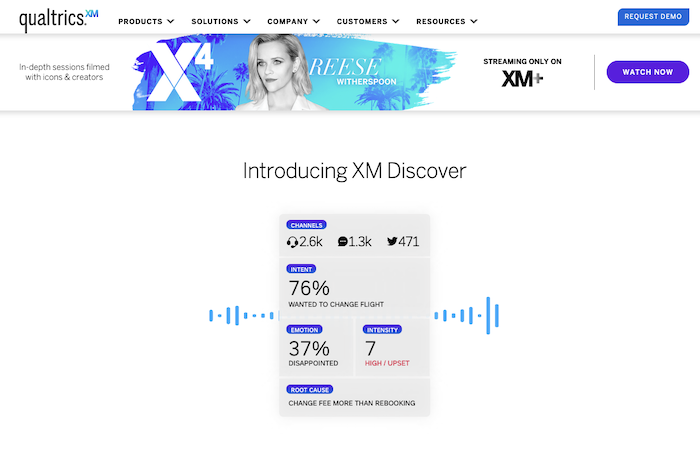
Qualtrics is an all-in-one market research tool. From creating advanced surveys to segmenting markets and analyzing data, Qualtrics does it all. Create your own survey to gather data or upload an existing data set and Qualtrics will run statistical tests and apply visualizations to help you gather insights.

There’s no need to spend time finding respondents for your surveys, either. You can use the platform to find a representative sample of your target audience and have them fill in your survey.

There’s even on-demand training to help you get the most from the platform.

Pros

  • easy to build surveys
  • excellent data reporting

Cons

  • software has a steep learning curve
  • limited customization of surveys

Price

Plans start from $1500 per annum.

6. Qualaroo
The Best Paid Marketing Research Tools - Qualaroo

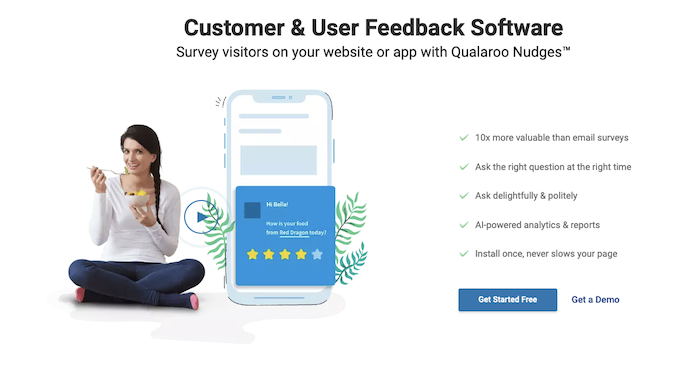
Qualaroo is an advanced customer survey tool that helps you ask the right questions at the right times. What separates Qualaroo from other survey tools is that you can embed surveys into your site, allowing you to catch users in real-time, with context. That makes their responses significantly more valuable and insightful.

Creating surveys is easy thanks to a wide range of templates and customization options. Analyzing and reporting results is also a breeze thanks to the platform’s AI-powered analytics tool. There are also tons of other features like dozens of answer types, branching questions, and automatic language translation.

Pros

  • easy to create and deploy surveys
  • analytics reduces reporting time
  • easy to learn

Cons

  • pre-built templates can be generic
  • dashboards could be improved

Price

Plans start from $80 per month.

7. BrandMentions
The Best Paid Marketing Research Tools - BrandMentions

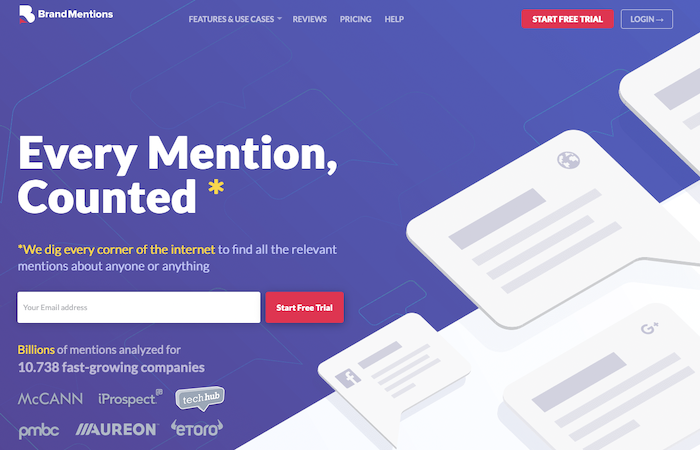
BrandMentions is another social media monitoring platform similar to Buzzsumo but with a greater emphasis on social media. It estimates it currently analyzes billions of social media mentions for over 10,000 companies.

You can use the tool to quickly understand social media users’ opinions on practically any topic. Simply search for a keyword, and BrandMentions will display the most recent social posts as well as the context in which it was used. So not only do you see what people are saying, you understand the broader sentiment around the topic.

The tool also shows a range of other metrics, including how many people view the topic each day, how many people engage with the topic, and which days the topic trends on.

Pros

  • great for social media research
  • can also be used for brand monitoring
  • intuitive UX

Cons

  • can be time-consuming to automate reports
  • only analyzes social media data

Price

Plans start from $99 per month.

8. Gartner
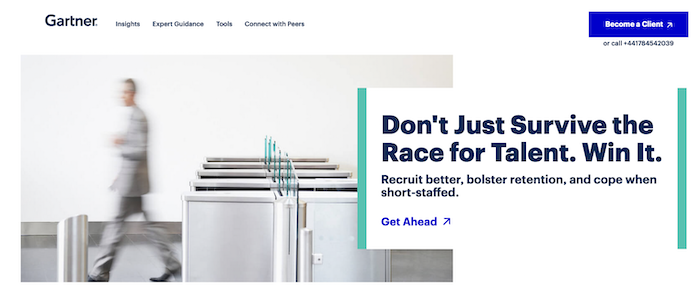
The Best Paid Marketing Research Tools - Gartner

Global research and advisory firm Gartner is a heavyweight when it comes to market research. The company has three core services (trusted insights, strategic advice, and practical tools). We’re only going to focus on its trusted insights offering here.

Trusted insights offer an incredible amount of detailed, verified, and peer-driven research. It’s a fantastic way to identify trends in your industry, spot gaps in the market, and discover other insights to power your business.

These reports are at another level compared to other research teams. Gartner boasts over 2,000 research experts and several proprietary research methodologies to deliver objective and unmatched insights.

Pros

  • unmatched insights
  • unbiased data

Cons

  • very expensive

Price

Plans start at $30,000.

9. Tableau
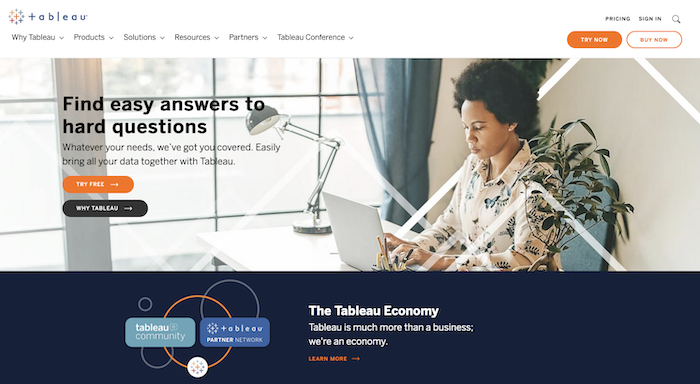
The Best Paid Marketing Research Tools - Tableau

Tableau is a business intelligence suite centered around data visualization. You can connect to almost any data source and Tableau will transform that data into beautiful visual reports that make it easy to analyze and share with stakeholders.

You don’t need to know any code to use Tableau, and the tool makes it easy to be as broad or granular as you like with data analysis. Import data from tons of different data sources, like PDFs, spreadsheets, and Google Analytics.

Tableau is a trusted market research tool for some of the country’s biggest companies, including Verizon, Lenovo, and Charles Schwab.

Pros

  • best visual data reporting tool
  • acts as a central repository for data
  • analyzing data is easy

Cons

  • can be slow to upload large data sources
  • requires you to source your own data

Price

Tableau Explorer starts at $42.

10. Ubersuggest
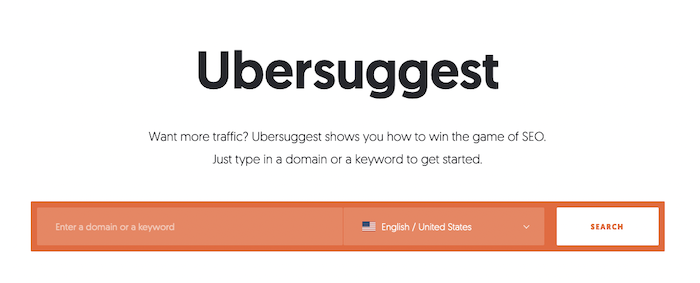
The Best Paid Marketing Research Tools - Ubersuggest

Ubersuggest is one of the best tools for doing SEO and PPC-focused market research. Put a phrase into the search bar and it will provide you with a list of other relevant keywords people are searching for, along with search volume and a difficulty score. You can also enter your own domain or that of a competitor to identify areas for improvement.

It’s a great tool for identifying the size of a potential market, how competitive that market is and what chance you have of ranking in it. You can also use it to get the low-down on a competitor and find out which audiences they’re targeting.

Pros

  • great UX
  • one of the best market research tools for digital marketing
  • wide range of affordable plans

Cons

  • limited to SEO and PPC data

Price

Plans start at $29 per month or $290 for lifetime access.

Market Research Tools Frequently Asked Questions

What are the primary market research techniques?

There are five main techniques for conducting primary research: surveys, one-on-one interviews, observational studies, focus groups, and field trials.

The best insight from market research is the discovery of a relevant and actionable insight about your target market you can use to improve your offering or influence your marketing efforts.

Are market research tools worth the cost?

If you are on a budget, there are plenty of free market research tools available. However, the best market research tools cost money and provide access to more data and additional capabilities that can increase the effectiveness of your market research.

Why is it important to do market research?

Market research uncovers important information about your business and target market that can highlight opportunities for your business that would otherwise be missed.

Conclusion: Market Research Tools

Market research tools are an invaluable way to find out exactly what your target audience is thinking. Whether you use free market research tools or paid market research tools, you can uncover plenty of insights that can have a transformative effect on your business.

Stop making uninformed decisions and start taking time to understand your customers and use that information to inform your marketing strategy.

What are your favorite market research tools?


from Neil Patel's Digital Marketing Blog https://ift.tt/MbkVAdx
via IFTTT

Wednesday, 8 June 2022

Mastering Google Reviews For Business: Everything You Need to Know to Grow Your Brand

As a business owner, you know that online reviews are essential, and they can make or break your business.

In fact, 89 percent of worldwide consumers say they read online reviews before buying products, and 49 percent report trusting those reviews as much as a personal recommendation.

Good reviews can help you attract new customers, while bad reviews can deter potential customers from doing business with you.

That’s why it’s crucial to learn everything you can about Google reviews and how to use them to your advantage.

In this blog post, we’ll show you everything you need to know about Google reviews and ratings, including how to get more reviews, how to respond to negative reviews, and how to use Google My Business to your advantage.

What Are Google Reviews?

Google reviews are public comments and ratings left by customers about your business.

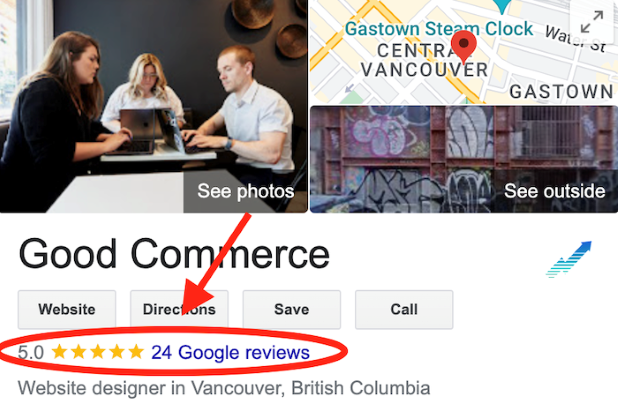
Customers can review businesses on Google Search, Maps, and Local Finder. These reviews are essential because they help potential customers learn more about your business before they decide to patronize it.

example of 5 star google reviews for business on website agency profile

Google reviews can be up to 4,000 characters and include a small writeup and rating from 1 star (lowest) to 5 stars (highest).

It probably doesn’t surprise you that Google is the most popular online review platform, with more than 59 percent of consumers using it.

Why Do Google Reviews Matter for Your Business?

Google reviews for business are critical because they can improve your business’s visibility and click-through rate (CTR) on Google Search and Maps.

A higher CTR means that more people see and click your listing in search results, leading to more customers.

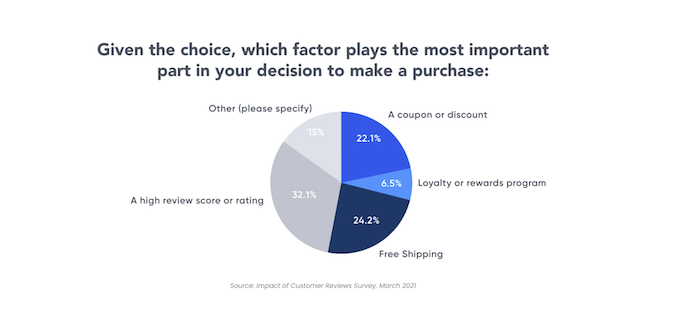
In addition, Google reviews and ratings act as social proof. They show potential customers that other people have had positive experiences with your business, making them more likely to shop with you.

Google reviews for business are also one of the many factors that search engines consider when determining local SEO rankings.

This means that if you can get more positive Google reviews, you may be able to improve your position in local search results. In other words, Google reviews have the potential to bring you more customers and help you grow your business.

pie chart showing high google ratings have positive impact on purchasing decisions

Asking for Google Reviews: How to Get Customers to Leave Google Reviews and Ratings

According to BrightLocal, 67 percent of consumers are willing to leave a review for a positive experience, and 40 percent consider leaving a review for a negative experience.

However, just because a customer is willing to leave a review doesn’t mean they will. If you want to increase the number of Google reviews left for your business, you need to make it easy and convenient for customers to leave them.

The best way to do this is by asking your customers directly. Consider including your Google My Business review link in:

  • email signatures
  • post-purchase confirmation emails
  • physical receipts
  • thank-you cards or notes

When asking customers to leave a review, make sure to:

  • Personalize the request: Address them by name and mention their recent purchase or experience.
  • Keep it short and sweet: Customers are more likely to leave a review if the request is simple and to the point.
  • Include a link to your Google My Business listing: Make it easy for customers to leave a review by including a direct link.
  • Send a prompt: Try sending a short prompt for the review you’d like them to leave. This gives reviewers a starting point and can make sending the review a little easier. For example, “My favorite thing about <company> is….”

NOTE: Most review sites, including Google, do not permit businesses to offer something in exchange for a review. Instead, focus on making it as easy as possible for them to leave their review.

Remember, the best Google reviewers have had a recent, positive experience with your business and are likely to leave a detailed review.

By following these tips, you can get more Google reviews for business and start building your online credibility.

Tips for Responding to Google Reviews

Responding to Google reviews is just as important as getting them in the first place.

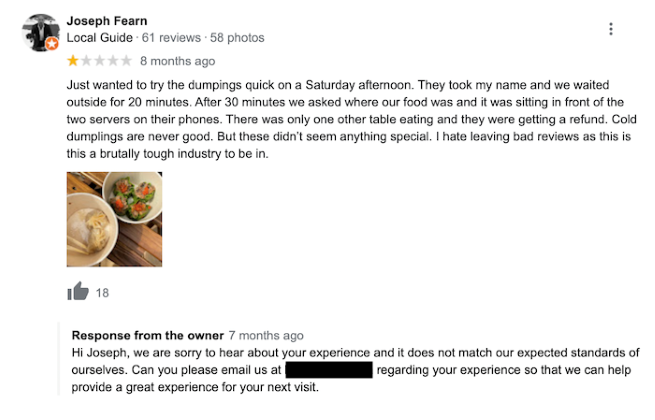
When you take the time to respond, you show potential customers that you value their feedback—good or bad. You also have a chance to give your side of the story if a customer leaves a negative review.

Once you start gathering reviews, take the time to respond to positive and negative feedback.

While positive reviews are great for boosting morale, responding to negative reviews is essential for maintaining your business’s reputation.

ReviewTrackers found that more than half of customers expect a business to respond to negative reviews within a week. Yet, 63 percent reported never hearing back from a company about their review!

In addition, research from BrightLocal found that 89 percent of consumers would continue to frequent a business that responds to all of its online reviews.

Tips for Responding to Negative Google Reviews

Follow these steps to help turn a negative review into a positive interaction:

  1. Thank the customer for their feedback and apologize for their poor experience.
  2. Acknowledge the issue they raised and offer a solution.
  3. If appropriate, invite the customer to reach out to you directly so you can resolve the issue offline.
  4. Once they reach out, consider offering them a discount or coupon to incentivize them to return (and hopefully leave a nicer review.)
Google Reviews for Business - Tips for Responding to Negative Google Reviews

Tips for Responding to Positive Google Reviews

Here’s how you can reply to a positive Google review to create a lifetime customer:

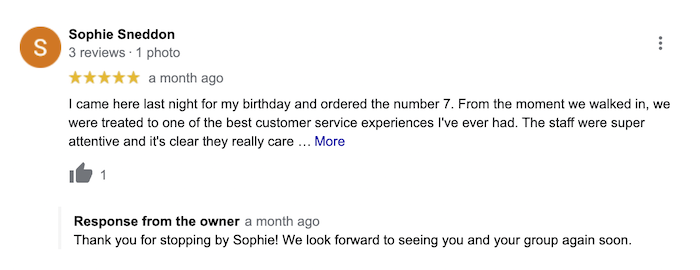
  1. Thank the customer for their feedback and let them know you appreciate their support.
  2. If appropriate, invite the customer to reach out to you directly so you can thank them personally
  3. Personalize your response so they feel seen by your business.
example of business responding to positive Google review by thanking them

The most important thing to remember when responding to Google reviews is to be responsive, professional, and courteous. By doing so, you’ll show other potential customers that you care about your business and are committed to providing the best experience possible.

How to Leverage Google Reviews for Your Business

Google reviews for business are more than a way to get feedback from customers—they’re also a powerful marketing tool.

Here are five tips for leveraging Google reviews to improve your business.

1. Showcase Reviews on Your Website

Once you have a collection of Google reviews for business on your Google My Business page, you can showcase them on your website using a widget. This gives potential customers an easy way to see what others think of your business before they decide to make a purchase.

Different widgets are available depending on the content management system (CMS) you’re using. Be sure to choose one that’s compatible with your website platform and fits the style of your site.

If you’re not sure how to add a widget to your website, most providers offer instructions or customer support that can help you.

Some popular Google reviews for business widgets include:

2. Use Positive Reviews to Reduce Abandoned Carts

If customers see that other people have had a positive experience with your brand, they’re more likely to complete a purchase.

One of the easiest ways to increase customer confidence is by adding testimonials and product reviews to your checkout process.

A detailed review can help you reduce abandoned carts by:

  • helping customers with specific problems
  • building trust, which is important for potential buyers
  • reducing any friction during the checkout process

When adding reviews to product pages or checkout flows, make sure they’re specific and highlight the features that are most important to your customers.

For example, if you sell headphones, a customer might be looking for reviews that address sound quality, battery life, or comfort.

If you’re not sure which reviews to showcase, start with your most recent ones or those from customers who have made similar purchases in the past.

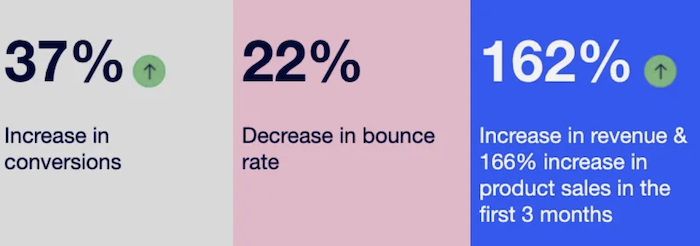
In fact, online flower delivery service Flowers.ie saw a 37 percent increase in purchases on products that showcased reviews.

table showing increase in conversions for online flower delivery service using google reviews for business

You can also use Google reviews and ratings to collect feedback about your business, product, or service. Use this valuable customer feedback to improve your business.

For example, if you see that customers are mentioning a problem with your checkout process, you can take steps to fix that pain point.

3. Update Reviews Regularly

Not only do customers want to see that you have reviews, but they also want to see that you’re actively collecting them. Would you rather shop at a company that hasn’t gotten a review in the past six months, or one that gets them regularly?

If it’s been a few months since your last review, reach out to some of your recent customers and ask them for feedback. You can always offer an incentive for leaving a review, like a discount on their next purchase.

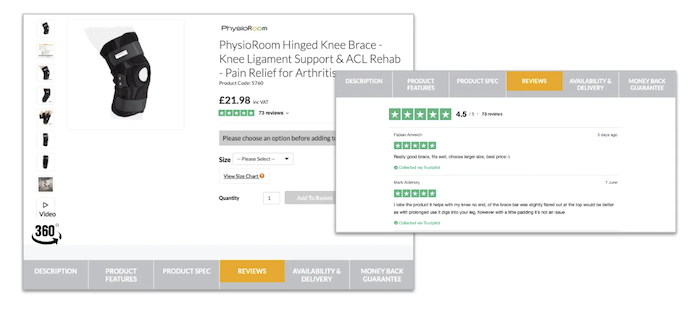
PhysioRoom.com increased its review collection by 1,900 percent, which improved its monthly B2B sales by 8 percent.

online google reviews for business for physiotherapy b2b seller

Here are a few ways to collect new reviews:

  • Ask customers for reviews in confirmation emails.
  • Post signs in your store or office promoting reviews.
  • Include review requests in product boxes or packaging.

4. Leverage Best Reviews in Retargeting Campaigns

Did you know retargeted display ads convert almost as much as high-intent search ads (and sometimes more in certain industries)? That’s because you’re targeting people who are already interested in what you have to say.

One way to make your retargeted ads even more effective is to include customer reviews. This social proof will remind potential customers why they were interested in your product or service in the first place– and it could be the push they need to convert.

For example, if you’re selling a new type of toothbrush that’s gentle on sensitive gums, you could include a review in your retargeted ad that says, “I learned to love brushing my teeth again!” or, “I don’t have to dread going to the dentist anymore.”

Similarly, if you’re an accountant, you could include a review that says, “I have so much more time to dedicate to running my business now.”

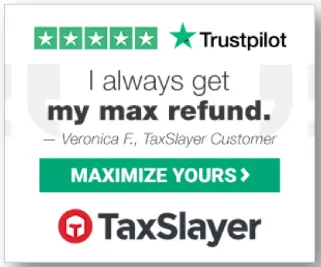
Here’s an example from TaxSlayer whose featured reviews brought in a whopping 60 percent increase in CTRs.

example of ad from taxslayer showing positive google review for business

Including customer reviews in your retargeted ads is an easy way to show social proof and improve your click-through rate. When done right, can be a powerful way to increase conversions.

Take the time to read through your reviews and find the ones that would be most impactful for your target audience. Then, start testing different review placements in your ads until you find what works best for your business.

5. Choose Reviews That Elicit Emotion

Think about some of the recent reviews you’ve read online. What really stood out to you?

It likely wasn’t the two-line review about the product working as expected. Instead, it was probably the review that made you feel something. Maybe it was funny, maybe it was weird, but whatever it was, it made an impression.

The same principle applies when choosing which reviews to showcase in your marketing strategy. Look for ones that evoke an emotional response from your target audience. For example, if you’re focusing on new parents, look for reviews that mention how your product has made their lives easier.

On the other hand, if you’re targeting millennials, you might look for reviews that are funny or quirky.

No matter who your target audience is, make sure you’re choosing reviews that will resonate with them on an emotional level. The bigger the impact you can make, the more likely you are to convert prospects into customers.

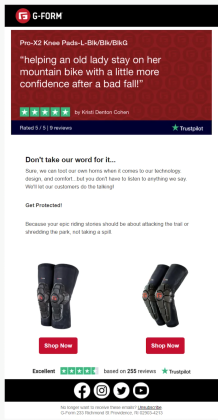
Here’s an example from G-Form, an athletic equipment company that isn’t afraid to flex its funny bone.

g-form using humorous google review for business in email campaign

Google Reviews for Business Frequently Asked Questions

Are Google reviews fake?

Generally no. Google states it has a zero-tolerance policy for fake reviews. However, BrightLocal found that 62 percent of consumers believe they have seen a fake review in the last year. If you’re unsure about the legitimacy of a review, check the username and avatar of the reviewer to see if anything is suspicious. You can also look at previous reviews the reviewer has made.

Pay attention to the date, time, and location of past reviews. If you see a reviewer has left reviews in cities across the world in a matter of days, that’s a red flag. If the reviewer has never left another review, that’s also something to take note of. If you believe a review is fake and in violation of Google’s policies, you can request a removal from Google.

Can Google reviews be removed?

In some cases, yes. Google has a request removal system. However, the company is very clear that decisions to remove (or not remove) a review is final. In most cases, Google will only remove reviews that are in violation of their policies. These include reviews that contain profanity or sexually explicit language, reviews that promote illegal activity, reviews that are off-topic, and spam.

Should I respond to negative Google reviews?

Yes, responding to Google reviews is a critical part of managing your online reputation. By responding to negative reviews, you can turn a bad situation into a positive one. When responding to negative reviews, always be professional and courteous. Never leave a response that is derogatory or inflammatory.

How many Google reviews should I try to get?

As many legitimate reviews as possible. Generally, the more Google reviews for a business you have, the better. Having more reviews will protect your Google My Business rating if you do get a negative review. A good rule of thumb is to try to get at least 50 Google reviews.

Conclusion: Google Reviews for Business

Google reviews for business are a powerful way to build trust and credibility with potential customers.

Reviews show customers that your business is reputable. They can also highlight your company’s best assets and show your customer service commitment.

By following Google’s review policies, you can build a strong list of reviews that will benefit your business. Plus, by responding to negative reviews in a professional manner, you can turn a bad situation into a positive one.

Do you feel Google reviews have an impact on your business?


from Neil Patel's Digital Marketing Blog https://ift.tt/QPpydDY
via IFTTT

Tuesday, 7 June 2022

How to Use Customer Segmentation to Improve the Performance of Your Marketing Campaigns

How to Use Customer Segmentation to Improve the Performance of Your Marketing Campaigns

Your audience wants personalized marketing from your business.

In fact, they expect it. According to research, 71 percent of customers expect businesses to send them personalized marketing messages, and 76 percent are disappointed when they receive generic communications instead.

The challenge? If you don’t know your audience, you can’t send them personalized content. You don’t know what matters to them, so you can’t reach them on the right level.

If this dilemma sounds familiar, don’t worry. I have a solution for you, and it’s called customer segmentation. Customer segmentation helps you understand your audience so you can target your marketing campaigns with greater precision. Let me show you how it works.

What Is Customer Segmentation?

Customer segmentation means dividing customers into groups, or “segments,” based on traits they have in common such as age, buying habits, gender, and needs.

Businesses use customer segmentation models to better understand their prospects so they can target them with relevant personalized marketing campaigns including ads, emails, and social media posts.

Customer segmentation isn’t just about reaching a new audience more effectively, though. It’s also a way to reconnect with lapsed customers and encourage new purchases by sending them carefully targeted messages.

Remember, every customer is unique. They each have own buying behaviors and reasons for choosing you over your competitors. While it’s impossible to personalize your marketing to every individual, a customer segmentation strategy is the next best thing.

Why Is Customer Segmentation Important?

For one thing, it helps you improve your customer service. By understanding your customers’ needs and wants, you’re better placed to help solve their problems.

Does customer service matter? Absolutely. Research says one in five customers will abandon a brand after just one poor customer experience, so the more effort you invest in great service, the better.

Similarly, segmenting your audience helps build customer loyalty. How? Because customers are typically more loyal to brands offering personalized messaging—for 79 percent of consumers, the more personalization a company uses, the more loyal they are.

What do loyal and happy customers have in common? They’re more likely to shop with you. By personalizing the shopping experience through segmentation, you create more dedicated customers, so you increase conversions over time.

Not convinced? Well, studies show that over 60 percent of customers are likely to be repeat buyers after a personalized shopping experience, so the stats speak for themselves.

Customer Segmentation Models

You can use various customer segmentation models, depending on your business needs and marketing goals. Here’s a look at seven of the most common models.

1. Demographic Segmentation Model

Demographic segmentation means dividing people into groups based on certain demographic factors, including age, income, marital status, and occupation.

Let’s say your audience is men and women aged between 30 and 65. You want to run a TikTok campaign to promote a new product.

  • 61 percent of TikTok users are women.
  • 11 percent of users are over 50.

If you only run a campaign on TikTok, you miss out on a huge chunk of your target audience. Perform some demographic segmentation, and you’ll know to target Facebook, too, since 73 percent of 50- to 64-year-olds use this platform.

Want to try it?

  1. Set your campaign goal.
  2. Choose your variables, whether it’s age, gender, and so on.
  3. Select your platforms to run personalized marketing campaigns, such as social media, email, etc.
  4. Measure success using tools like Google Analytics and revise your campaigns as needed.

Pros and Cons of Demographic Segmentation

On the plus side, it’s easy to use this model, and it helps you adjust your tone to target different genders and ages.

The main downsides? You risk making false assumptions about a particular segment. You could also lose your brand voice by targeting such varied demographics.

Always use this customer segmentation model alongside other techniques. For example, it might be helpful to know a customer’s buying habits and values, or where they live.

2. Geographic Segmentation Model

With geographic segmentation, you categorize your audience based on where they work, live, and shop.

This type of customer segmentation analysis is fairly straightforward. The main disadvantage? Ironically, it’s simplicity. On its own, geographic segmentation doesn’t reveal much about your audience, but you can use it alongside other models on this list to build the fullest possible picture of your audience.

How to Segment Customers Through Geographic Segmentation

Here’s how to get started with geographical segmentation:

  1. Determine your segments. You can divide people by, for example, climate, culture, language, or land area.
  2. Gather data, such as website location data and sales data, to identify the size of your community.
  3. Send targeted messages to customers based on these segments. As an example, you might run paid ad campaigns based on location, or if you’re launching an exclusive location-based product, email your target audience a promo code.

Case Study: McDonald’s

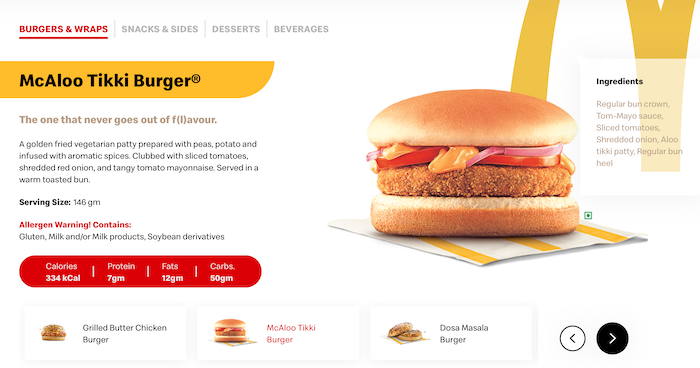
McDonald’s frequently uses geographic segmentation to target different audiences around the world. For example, here’s a burger found in McDonald’s India:

How to Segment Customers Through Geographic Segmentation -McDonalds example

McDonald’s creates products to suit its diverse audience and tap into the flavors and products they may respond to based on geography.

This brings me to another advantage of geographic segmentation: exclusivity. Since the McDonald’s menu varies by location, each item feels exclusive, harder to acquire, and more valuable, which may increase conversions.

3. Psychographic Segmentation

We each have unique personalities, but we share traits or characteristics. Psychographic segmentation means forming groups based on common traits such as hobbies, lifestyle choices, personality traits, cultural beliefs, and values.

Psychographic segmentation helps you understand a customer’s psyche so you can devise highly focused, relevant campaigns. However, the main challenge is gathering (and organizing) the relevant data.

How to Use Psychographic Segmentation

Follow these steps to start using psychographic segmentation:

  1. Determine your ideal customer. Who are you selling to? What do they love about your products? This stage may involve some consumer research.
  2. Choose your segments, such as hobbies, values, or personality traits.
  3. Identify where your audience congregates. For example, over 1.5 billion people visit Reddit every month, and 38 percent of Americans listen to podcasts every month.
  4. Perform some (more) consumer research. Whether you run Instagram polls or send surveys, ask your audience what type of content they want from you.
  5. Evaluate the data to decide how to properly target your groups.

Case Study: Patagonia

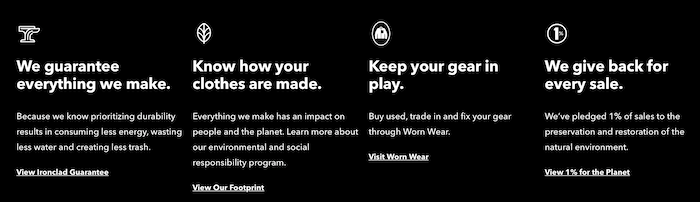
Patagonia, an outdoor clothing brand, knows its customers care about sustainable living. They’ve made sustainability a core part of their brand messaging:

Patagonia Consumer Brand Awareness Sustainability in Customer Segmentation

If you ran a store like Patagonia, you could segment customers based on whether they prefer hiking or cycling and then send targeted campaigns to meet their needs while retaining this core brand message.

4. Technographic Segmentation

Technographic segmentation means categorizing people depending on the devices, hardware, and software they use. Why does this data matter? Well, according to statistics:

  • 79 percent of U.S. smartphone users purchased something online through their mobile phone in the last six months.
  • 40 percent of consumers switch to a competitor after one (yes, one) bad mobile phone experience.
  • Purchases made on tablets are set to rise to over $64 billion in 2022.

As a marketer, you should care about how people are accessing your content so you can optimize their user experience (UX) and target them effectively. Technographic segmentation can help.

How to Perform Technographic Segmentation

There are a few ways to segment your audience using this method, but here’s how I suggest you start.

  1. Know your audience: Identify your customers, as they will determine which categories you choose.
  2. Pick your segments: For technographic segmentation, you might group people based on the devices they use, the software they’re working with, the apps they prefer, or how they use technology.
  3. Gather data: Collect the data you need to segment customers. You might do this by scraping websites, sending surveys, or even purchasing data from service providers.

Armed with this data, you can create your campaigns.

Example of a Technographic Segmentation Campaign

Let’s say you run a tech store. Some customers use Norton 360 for PCs. Others use Avast Security for Mac.

You split your marketing campaign by software. You send one email to Norton subscribers offering a discount on their annual subscription. You send another email to Avast customers offering the same discount for Avast.

The result? Emails that speak to your audience’s specific tech needs, which increase your chance of making conversions.

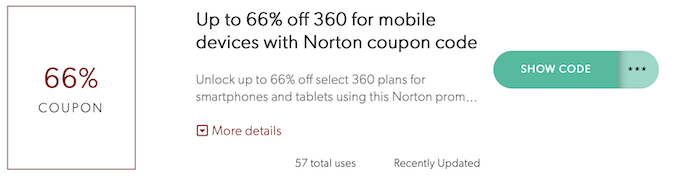
You could take it further, too. Say, through analytics, you notice your Norton PC customers are looking at mobile antivirus solutions. You could send them a discount code like this one from PCWorld:

Technographic Customer Segmentation PCWorld Norton Discount

By anticipating what matters to your audience based on their tech preferences, you’re meeting their needs…and hopefully nurturing them through to checkout.

Is this a perfect customer segmentation model? No. One significant drawback is its limitations: Knowing a customer’s tech preferences is only one part of what shapes their buyer’s journey. However, it’s a marketing technique worth adding to your toolbox.

5. Behavioral Segmentation

Want to know how your audience interacts with your business? Try behavioral segmentation.

Behavioral segmentation means grouping people together based on behavior patterns. These patterns reveal how consumers feel about your business so you can determine how to successfully reach them at every stage of the buyer’s journey.

As with other models, behavioral segmentation can be used at any point in your marketing strategy, whether it’s to revamp a landing page or send promotional emails.

How to Use Behavioral Segmentation

First, identify the behavior patterns to track. There are many ways to approach this, but you might segment customers based on their:

  • buying stage
  • engagement
  • historical purchase history
  • purchase frequency
  • response to previous marketing campaigns

For example, say you group customers based on engagement. What counts as an “active” and “lapsed” customer varies depending on your business, but here are three groups you might have:

  • Active customers shop with you every month.
  • Infrequent customers only buy products every few months.
  • Lapsed customers haven’t purchased from you in a year.

Next, you can devise three separate marketing campaigns. You might send active customers a loyalty discount, and infrequent customers a separate discount to tempt them back.

Once your campaigns are up and running, track your analytics. If you’re not getting the results you want, adjust your campaigns and try again.

Netflix and Behavioral Segmentation

With over 221 million subscribers, Netflix knows how to use behavioral segmentation to satisfy customer demand.

  • Netflix uses machine learning to track what customers watch.
  • The algorithms generated help Netflix customize everything for each customer, from the homepage to the show recommendations.
  • Netflix can use A/B testing to track the impact of different recommendations and personalization features.
Netflix Recommendations for Entertainment - Customer Segmentation

Behavioral segmentation has a significant downside, though: There’s always the chance you get the algorithms wrong. That said, if you track results diligently and respond to your findings, you can offset this drawback.

6. Needs-Based Segmentation

Successful marketing often comes down to showing prospects how your goods or services meet their needs. That’s where needs-based segmentation comes in.

With needs-based segmentation, you’re grouping people based on what they need from your product. The benefits they’re looking for when they buy something. What pain points they have, and the problems they need solving.

The biggest challenge? Identifying what these needs are.

For example, say you’re a food brand. Two prospects follow you on social media. One cares about fresh chicken, and the other wants vegan food. You might sell meat and non-meat products, but the same ad campaign won’t appeal to both.

Driving down into groups’ needs and motivations helps you maximize your campaigns.

Let’s do a simple comparison. Heck sells gluten-free vegan and non-vegan meat. They know some customers love the gym and care about high-protein snacks, so they launched a campaign to sell their meat at local gyms:

Example of Customer Segmentation Heck Sausages Gym Tour

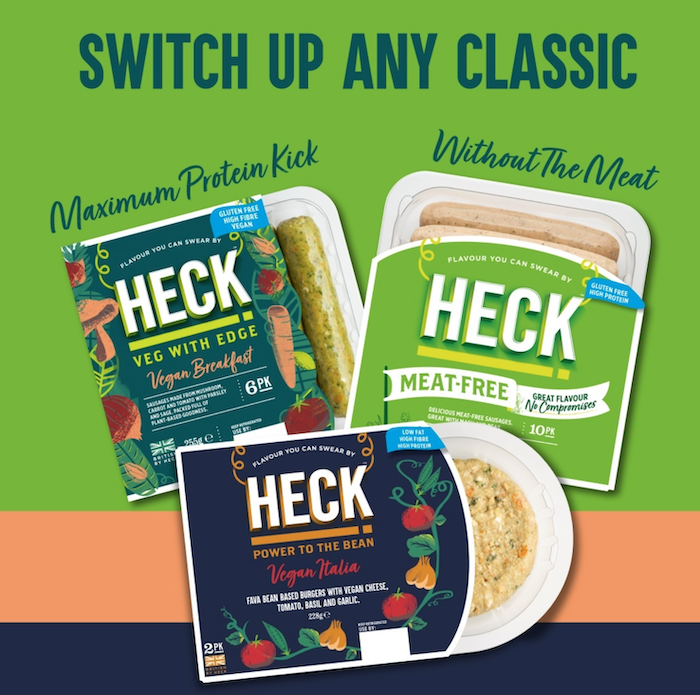
They know other customers care less about fitness and more about a vegan lifestyle, so they frequently create social media posts around meat-free products:

Needs-Based Customer Segmentation Heck Vegan Meat Examples

Heck clearly spent time learning about its wider customer base and what drives them so it can effectively reach every segment while retaining a consistent brand voice.

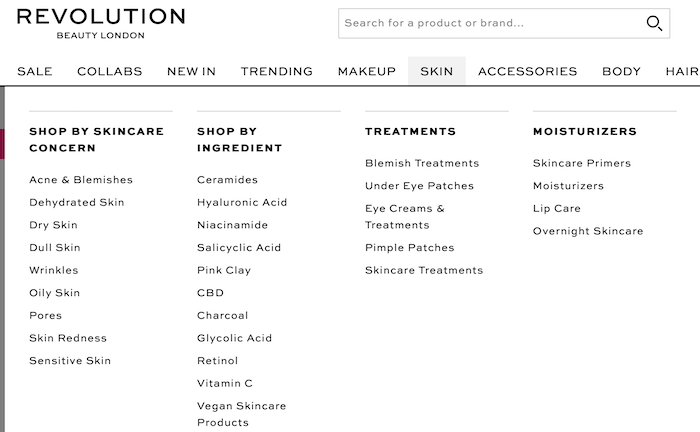
Here’s another example. Beauty store Revolution lets customers shop by skin concern and by ingredient to directly target consumers’ needs:

Skincare by Revolution Example of Customer Segmentation by Concern

Needs-Based Segmentation Pros and Cons

Now that you understand how this customer segmentation model works, is it right for you?

Well, there are clear advantages. Needs-based segmentation helps you market with greater accuracy than, say, targeting groups by age or location. It’s comprehensive and effective, and it could help you build loyal customer relationships.

The main drawbacks? It’s challenging to identify the “right” needs to target, and if you don’t have accurate data, your campaigns may fail. What’s more, consumer needs evolve, so you’ll need to review your strategy regularly to maximize your campaign effectiveness.

How to Perform Needs-Based Segmentation

Here’s the simplest approach.

  1. Start with your products or services. Look at them from every angle and write down all their features and benefits.
  2. Build customer personas around these features. If you know how to segment customers based on behavior, age, location, etc., use the data you already have to help here.
  3. Finally, reach out to customers and learn what matters to them. You might, for example, look at product reviews, ask for customer testimonials, or send out questionnaires.

Once you have enough data, use your findings to create segmented marketing campaigns. Track your campaigns and tweak them as needed.

7. Value-Based Segmentation

The better you understand how much it costs to lose a certain client’s business, the better you can direct your marketing efforts. Value-based segmentation can help you by grouping customers together based on their value to your business.

Why group customers together this way? Well, there are two advantages.

Firstly, if you know which customers spend the most money on your products, then you know which customers you can’t afford to lose. You can direct resources into providing these customers with highly targeted campaigns and great customer service.

Secondly, you can identify your most loyal clients and how much it costs to retain their business. Once you know a customer’s relative value, you can decide if it’s worth retargeting these inactive customers with personalized messaging.

Is retention worth the effort, though? There’s evidence that it can be up to seven times more expensive to acquire rather than retain customers, so yes, retention matters.

Using Value-Based Segmentation

Here’s how to segment your customers on a value basis.

  • Decide on your campaign goals. Maybe you want to identify your most lucrative audience and launch an ad campaign for your high-end products, or you want to nurture lapsed customers back to your store with enticing loyalty discounts.
  • Identify your segmentation criteria. For value-based marketing, you might segment customers based on average spend or relationship duration as described above.
  • Determine how you’ll target customers based on your findings; for example, on social media, by email, or through paid ads.
  • Analyze your efforts such as by running regular A/B testing or asking customers for feedback.

On the plus side, value-based segmentation helps you quickly identify your most valuable customers in order to target them more effectively. However, if you’re a startup or young business, you may not have enough relevant data to use this customer model just yet.

Case Study: Global Cruise Company

Here’s an example of the basic value-based segmentation principles in action and how this method helps with retargeting and conversion.

Merkle, a marketing company, helped a global cruise company develop a value-based approach to their next marketing campaign.

The cruise company sent the same messages to every customer regardless of their lifetime value (LTV). To boost revenue, they wanted to segment customers based on their LTV to send tailored ads and emails.

The company broke down each customer’s total predicted economic value. Once they identified the highest-value and most loyal customers, they could better nurture them through the sales funnel with specific, smaller campaigns.

The results? Five percent of lapsed but loyal customers returned, and they shortened the purchase cycle by 24 percent. All it took was some focused, personalized messaging based on a customer’s relative value.

Customer Segmentation Frequently Asked Questions

What tools do I need to do customer segmentation?

You need data to segment customers effectively, so you’ll want analytics tools such as Google Analytics. You might also use dedicated customer segmentation software, depending on your budget and business goals.

Is customer segmentation worth it?

By segmenting your customers, you learn more about your target audience and what matters to them. The result is more effective marketing campaigns based on the unique needs of each segment within your broader audience base.

What type of campaigns does marketing segmentation work best with?

Segmentation works best on any channel when you’re using personalized ads aimed at certain people because you can run multiple smaller, highly targeted ad campaigns designed to deliver the right message to the right audiences.

How is customer segmentation used in customer retention?

Customer segmentation ensures your existing customers don’t feel overlooked. You can segment your loyal customers into smaller groups to deliver relevant, loyalty-based rewards that could help increase customer retention over time.

Conclusion: Customer Segmentation

If you’re trying to upgrade your marketing, customer segmentation is your friend. By segmenting your audience, you can learn what matters to your customers, run targeted, more effective campaigns, and ultimately convert more leads into customers over time.

Start by evaluating the customer segmentation models I’ve described and consider which combination works best for your business goals. If you need any guidance for choosing between customer segmentation types, though, check out my consulting services to discover how my team can help.

Have you created your customer segmentation strategy yet? Which model do you find works best?


from Neil Patel's Digital Marketing Blog https://ift.tt/eTfzMUQ
via IFTTT